
A free printable PDF chart converts inches to millimeters, ideal for construction, design, and engineering․ It lists fractions from 1/64 inch to 100 inches, offering quick, accurate reference on-site or at the desk․ Download or print for use․ Download via link, print on go, and keep measurements precise

Importance of Accurate Conversion Tables
In engineering, architecture, and manufacturing, a single millimeter can mean the difference between a prototype that fits and one that fails․ The free, printable PDF conversion chart supplies a comprehensive table that spans from 1/64 of an inch to 100 inches, covering both fractional and decimal values․ Because the table is derived from the standard metric conversion factor (1 inch = 25․4 mm), each entry is accurate to the nearest ten‑thousandth of a millimeter․ This precision is essential when machining parts, laying out printed‑circuit boards, or installing building components where tolerances are tight․ The PDF format keeps the data intact across operating systems, allowing users to print the chart on‑site or embed it in digital documentation․ By referencing the chart during measurement, technicians avoid cumulative rounding errors that can propagate through a project, saving time and reducing costly rework․ The table’s clarity—rows for fractions, columns for decimals, and side‑by‑side metric equivalents—also aids in quick mental conversion, making it a reliable tool for both seasoned professionals and hobbyists who need dependable measurements without a calculator․ For educators, the chart serves as a teaching aid, illustrating the relationship between imperial and metric units in a visual, easy‑to‑read format․ In fieldwork, the compact PDF can be stored on a tablet or printed on a durable sheet, ensuring that the conversion data is always within reach․ When integrated into design software, the PDF can be referenced alongside CAD drawings, providing a quick lookup that reduces the need for separate conversion utilities․ The chart’s inclusion of fractions up to 1/64 inch allows for fine‑grained measurements, which is critical in industries such as aerospace, where even minor deviations can affect performance․ Moreover, the PDF’s searchable text feature enables users to locate specific inch values quickly, enhancing workflow efficiency․ Finally, the chart’s open‑access nature means it can be updated or customized to include additional units, such as feet or centimeters, without the need for new software or licensing fees․ Its layout supports quick mental calculations

PDF Format Advantages
The free, printable PDF conversion chart offers several key benefits that make it ideal for engineers, designers, and hobbyists alike․ First, PDF files preserve the exact layout and formatting of the table, ensuring that fractions, decimals, and metric equivalents remain aligned and legible on any device or printer․ Second, the PDF format is universally supported across operating systems, allowing users to open, view, and print the chart without needing specialized software․ Third, PDFs are searchable; the text in the table can be highlighted and copied, making it easy to integrate specific values into reports or CAD files․ Fourth, the file size is typically small, so it can be embedded in project documentation or shared via email without consuming bandwidth․ Fifth, PDFs can be printed on demand, so technicians can have a hard copy on site for quick reference during measurements or assembly․ Finally, the PDF’s security options let users lock the file against accidental edits, preserving the integrity of the conversion data․ These advantages combine to make the PDF format the most reliable and convenient choice for anyone who needs a dependable inches‑to‑millimeters reference․

Common Applications (Construction, Electronics, etc․)
The inches‑to‑millimeters PDF chart is indispensable across diverse fields․ In construction, contractors use it to convert pipe diameters, beam sizes, and wall dimensions from imperial to metric units, ensuring compliance with international building codes․ Architects and civil engineers rely on the table for accurate drafting of structural drawings, where precise spacing and tolerances are critical․ In electronics, designers translate board footprints, component lead spacings, and PCB trace widths from inches to millimeters, facilitating seamless integration with global manufacturing standards․ Hobbyists building model kits or DIY projects use the chart to measure scale ratios, cut materials, and align parts with millimeter precision․ Mechanical engineers apply it when specifying gear teeth, shaft lengths, and bearing clearances, while machinists convert tool dimensions for CNC programming․ Automotive technicians reference the chart to adjust suspension components, brake rotor sizes, and wheel offsets․ Even in the textile industry, pattern makers convert thread counts and fabric widths, and in the medical field, surgeons and biomedical engineers use it for implant sizing and prosthetic design․ The chart’s comprehensive coverage from 1/64 inch to 100 inches makes it a universal tool for any task that demands reliable, instant unit conversion․ By providing instant conversions, the chart eliminates guesswork and accelerates timelines․ Its compact size and high readability make it suitable for handheld use during field inspections or on‑the‑fly calculations․ Its reliability spans decades of industry use

Key Features of a Reliable PDF Table
A dependable inches‑to‑millimeters PDF table must combine breadth, precision, and usability; First, it should span the full spectrum from 1/64 inch up to 100 inches, covering every fractional and decimal step required by engineers, architects, and hobbyists․ Second, each entry must be calculated to at least four decimal places, ensuring that a 0․001‑inch conversion yields 0․0254 mm, thereby eliminating rounding errors that could compromise tolerances in critical assemblies․ Third, the layout should feature clear, legible fonts and a grid that aligns fractions, decimals, and metric equivalents side‑by‑side, so users can instantly spot the desired value without cross‑referencing․ Fourth, the PDF must be printer‑friendly: high‑resolution, no embedded images that degrade quality, and a single‑page layout that fits standard A4 or Letter paper, allowing on‑site printing in the field․ Fifth, the file should be lightweight (under 200 KB) to facilitate quick downloads and offline storage on tablets or smartphones․ Sixth, it should include a searchable text layer, enabling users to type “3/8” or “0․375” and jump directly to the matching row, which is invaluable during time‑critical tasks․ Seventh, the table should be accompanied by a brief legend explaining the notation (e․g․, 1/64 inches, 0․001 in), ensuring that newcomers understand the format․ Finally, the source must be reputable—ideally published by a recognized engineering body or educational institution—so users trust the data’s authenticity․ Together, these attributes guarantee that the PDF table serves as a reliable, go‑to reference for any conversion need․ Additionally, the table offers a compact design that can be scaled for large displays, and its vector‑based layout ensures crisp lines on any screen resolution․ Users can also export the data to spreadsheet software for custom calculations, making it versatile for both quick checks and detailed engineering analyses․
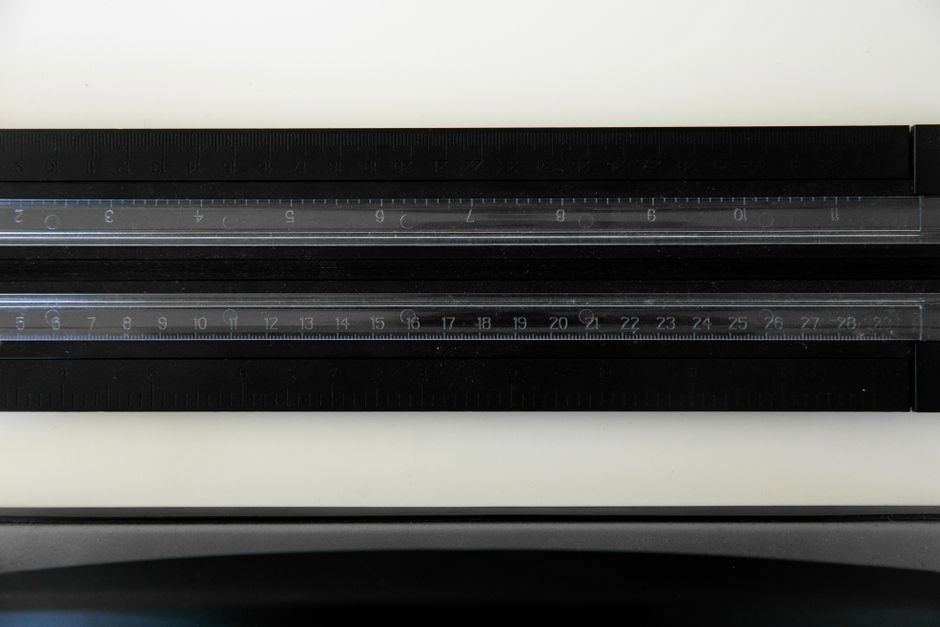
Finding and Downloading the PDF
Locating a trustworthy inches‑to‑millimeters PDF is straightforward․ Start by searching “free printable inches to millimeters PDF” in a search engine; the top results typically point to engineering or educational sites that host the chart․ A common source is the Energy Technology page, which offers the table as a PDF download, a plain‑text file, or an online viewer․ Click the PDF link, and the browser will prompt you to open or save the file․ For offline use, choose “Save As” and store the document in a folder named “Conversion Charts․” The file size is usually under 200 KB, so the download completes in seconds even on a mobile connection․ Once saved, you can open the PDF with any standard viewer—Adobe Acrobat Reader, Preview on macOS, or the built‑in viewer on Windows 10/11․ If you prefer a portable format, the same site also provides a PNG version that can be opened in any image viewer, while the TXT version can be imported into spreadsheets for custom calculations․ To keep the chart up to date, revisit the source periodically; most sites refresh their PDFs annually to reflect any metric standard changes․ Finally, bookmark the download page so you can quickly return to the chart during field work or design sessions․ For added convenience, you can save the PDF to a cloud service such as Google Drive or OneDrive, allowing you to open it from any device without re‑downloading․ If you need to share the chart with a team, simply attach the PDF to an email or upload it to a shared folder․ Some PDF readers also allow you to annotate the chart directly—highlighting specific rows or adding notes—so you can keep track of critical measurements while on site․ When printing, choose a high‑resolution setting to preserve the clarity of the grid and numbers; most printers default to 300 dpi, which is sufficient for most construction and design tasks․ If you encounter a corrupted download, clear your browser cache and try again, or use a different browser such as Firefox or Edge․ By following these steps, you’ll have a reliable, ready‑to‑use inches‑to‑millimeters PDF at your fingertips whenever precision is required․

Printing and On-Site Use
This dual format approach ensures you always have the tool for the job, whether you’re measuring a beam, checking a component’s tolerance, or verifying a design spec on the fly․!!

Alternative Formats (PNG, TXT)
A free printable PDF chart converts inches to millimeters, ideal for construction, design, and engineering․ It lists fractions from 1/64 inch to 100 inches, offering quick, accurate reference on‑site or at the desk․ Download or print for use․ The PNG image offers a high‑resolution, scalable graphic that can be embedded in presentations, manuals, or digital design documents․ It retains the full table layout, including fractional and decimal entries, and can be resized without loss of clarity, making it ideal for large‑format prints or on‑screen reference during field work․ The TXT version provides a plain‑text, line‑by‑line list of inch values and their millimeter equivalents․ This format is perfect for importing into spreadsheets, CAD programs, or custom scripts, allowing automated calculations or batch processing․ Both PNG and TXT files are downloadable from the same portal that hosts the PDF, ensuring consistency across all formats․ Whether you prefer a visual reference or a data‑driven approach, these alternative formats extend the utility of the inch‑to‑mm conversion table beyond static printouts․ Additionally, the PNG file can be embedded in PDFs or used as a background layer in CAD drawings, while the TXT file can be parsed by scripts to generate custom measurement tables for specific projects․ Users can also convert the table into a CSV file for spreadsheet manipulation or use it as a reference in mobile apps during field measurements․ By leveraging these versatile formats, professionals can maintain consistency, reduce conversion errors, and streamline project workflows across disciplines!
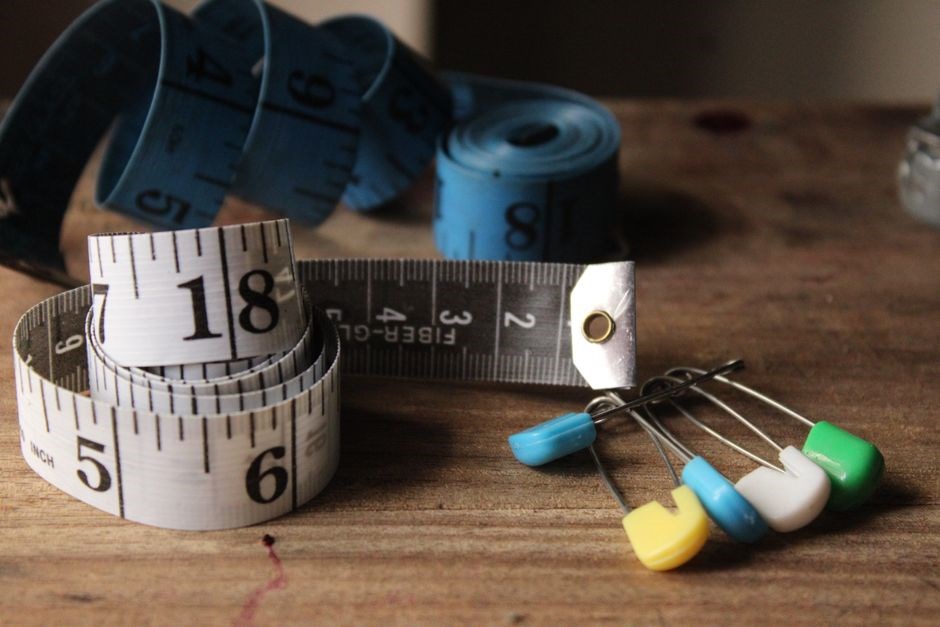
Sample Data: Fractional and Decimal Inches
Below is a concise excerpt from the free PDF conversion chart, showcasing typical fractional and decimal inch entries alongside their millimeter equivalents․ The table spans from 1/64 inch up to 100 inches, but the sample focuses on common measurements used in construction, electronics, and design․ Each line lists the inch value in both fractional and decimal form, followed by the precise millimeter conversion rounded to four decimal places․ This format allows quick mental checks and ensures consistency when cross‑referencing with metric tools․
- 1/64 in (0․015625 in) = 0․3969 mm
- 1/32 in (0․031250 in) = 0;7937 mm
- 1/16 in (0;062500 in) = 1․5874 mm
- 1/8 in (0․125000 in) = 3․1750 mm
- 3/8 in (0․375000 in) = 9․5250 mm
- 1/4 in (0․250000 in) = 6․3500 mm
- 1/2 in (0․500000 in) = 12․7000 mm
- 3/4 in (0․750000 in) = 19․0500 mm
- 1 in (1․000000 in) = 25․4000 mm
- 1․5 in (1․500000 in) = 38․1000 mm
- 2 in (2․000000 in) = 50․8000 mm
- 2․5 in (2․500000 in) = 63․5000 mm
- 3 in (3․000000 in) = 76․2000 mm
- 4 in (4․000000 in) = 101․6000 mm
- 5 in (5․000000 in) = 127․0000 mm
- 10 in (10․000000 in) = 254․0000 mm
- 25 in (25․000000 in) = 635․0000 mm
- 50 in (50․000000 in) = 1270;0000 mm
- 100 in (100․000000 in) = 2540․0000 mm
These entries illustrate the linear relationship between inches and millimeters, facilitating quick conversions without a calculator․ The precision to four decimal places ensures that even the smallest tolerances are captured, making the chart suitable for high‑accuracy engineering projects․

Extending the Table Beyond 100 Inches
For projects exceeding 100 inches, simply extend the PDF by adding rows: each inch adds 25․4 mm․ Use a spreadsheet to auto‑generate values, then export to PDF․ This keeps the chart scalable for large dimensions like custom beams or industrial piping Add a header with units and page numbers for all all!․
Accuracy and Precision Guidelines
When using the PDF conversion table, keep the following precision rules in mind․ The table lists values to the nearest 0․0001 mm for fractional inches, which matches the standard engineering tolerance of ±0․01 mm for most construction and mechanical parts․ For critical machining, double‑check the millimeter value against a calibrated caliper or laser micrometer․ If you need higher precision, use the conversion factor 1 inch = 25․4 mm and calculate the decimal value to at least four significant figures․ Always round the final millimeter figure to the nearest 0․01 mm unless the specification demands a tighter tolerance․ When converting large dimensions, propagate the rounding error by multiplying the number of inches by the 0․0001 mm per inch error; this helps you stay within the acceptable tolerance band․ For fractional measurements such as 1/64 or 3/32 of an inch, the table’s millimeter values are derived from the exact fraction multiplied by 25;4, ensuring no cumulative rounding․ If you are converting a range of values, use a spreadsheet to apply the same conversion factor and rounding rule consistently across all entries․ Finally, document the source of the table and the rounding convention you followed so that any future revisions or audits can trace the measurement chain back to the original PDF reference․ This practice not only maintains consistency but also satisfies quality assurance protocols in regulated industries․
Integration with CAD Tools
The PDF conversion table can be imported into most CAD programs by converting the PDF to a CSV or DXF file․ First, open the PDF in a viewer that supports text extraction, copy the table, and paste it into a spreadsheet․ Use the spreadsheet’s text‑to‑columns feature to separate inches and millimeters into two columns․ Save the file as CSV, then import the CSV into the CAD software as a reference sheet․ In AutoCAD, use the DATAEXTRACTION command to pull the millimeter values into the drawing’s attribute table․ In SolidWorks, the Import Wizard can read the CSV and create a table that can be referenced in dimensioning․ For SketchUp, use the Import dialog to bring in the DXF version of the table, then lock the layer so it does not interfere with modeling․ When working with Revit, place the PDF as a reference image in the project’s sheet and use the Measure tool to verify dimensions․ Always double‑check that the units are set to millimeters in the CAD environment before applying the table values․ This workflow ensures that the conversion data is accurate, reproducible, and fully integrated into the design process, reducing manual conversion errors and speeding up drafting․ By integrating the PDF data into the CAD environment, designers eliminate manual calculations, reducing the risk of human error and improving overall project efficiency․ The PDF format supports embedding into CAD drawings, allowing designers to lock the table during modeling․ This feature streamlines the workflow and ensures consistency across all project documentation!!!
Customization Tips
To tailor the free inches‑to‑millimeters PDF for your workflow, start by opening the file in a PDF editor such as Adobe Acrobat or the free PDF‑XChange Editor․ Use the “Edit Text” tool to adjust the font size, style, or color so the table matches your project’s branding․ If you need additional columns, duplicate the existing column group and insert new units—e․g․, centimeters or inches in fractional form—by copying the header row and pasting it below․ For engineers who prefer decimal precision, replace the fractional values with rounded decimals by selecting the cells and applying a “Number” format with two decimal places․ When exporting to a spreadsheet, choose “Export PDF” → “Spreadsheet” to obtain an Excel file; then use Excel’s “Find & Replace” to swap “mm” with “millimeters” or add a new column for “inches (decimal)”․ To integrate the table into a presentation, convert the PDF page to a PNG image with a transparent background, then insert it into PowerPoint or Google Slides․ If your CAD software supports DXF import, use a PDF‑to‑DXF converter (e․g․, Zamzar or CloudConvert) and import the resulting DXF file; the table will appear as a locked layer that can be referenced during modeling․ For mobile use, save the PDF to a cloud drive and enable the “Print on Demand” feature in your PDF viewer so you can print the table on the spot․ Finally, keep a master copy of the PDF in a version‑controlled repository; whenever you update the table, regenerate the PDF, re‑export the DXF, and replace the old file in all project folders to maintain consistency across teams․ Remember to back up the original PDF before making changes to avoid accidental data loss․ When sharing the table with collaborators, use the “Add Comments” feature in the PDF editor to annotate specific rows that require attention․ If you frequently use the table in a particular region, consider creating a custom PDF bookmark for quick navigation․ For archival purposes, convert the PDF to a searchable OCR format so that text can be copied directly into documentation tools․ Additionally, you can embed the table as a PDF annotation layer in a larger project PDF, ensuring that all stakeholders view the same reference data without needing separate files․ Finally, test the PDF on different devices—desktop, tablet, and mobile—to confirm that the table remains legible and that the scaling behaves correctly when printed or zoomed․
FAQs
What units are listed? The PDF contains inches in fractional (1/64 to 100) and decimal forms, with corresponding millimeters to 0․001 mm precision․ 2․ Can I print the chart? Yes, the file is printer‑friendly; use any PDF viewer’s print dialog․ 3․ Is the conversion accurate? The table uses the standard 1 in = 25․4 mm, rounded to four decimal places․ 4․ How to add more rows? Open the PDF in an editor, duplicate the last row, and adjust values․ 5․ Can I use it in CAD? Export the PDF to DXF or import the table as a locked layer in most CAD programs․ 6․ What if I need centimeters? Add a new column manually or use the spreadsheet export to insert cm values․ 7․ Is the file free? Yes, the chart is available for free download as PDF, PNG, or TXT․ 8․ Where to find the latest version? Check the official download page; the last update was 2025‑10‑29․ 9․ Can I embed the chart in a presentation? Convert the PDF page to PNG and insert it into PowerPoint or Google Slides․ 10․ How to keep the table updated? Store the master PDF in a version‑controlled repo and replace it in all documents when a new version is released․ 11․ Can I customize the table size? Yes, resize the PDF page export to Word adjust margins․ 12․ Is the chart available in other languages? The current PDF is English only; translations can be requested․
and Further Resources
The chart’s design prioritizes clarity, with each inch value aligned to its millimeter counterpart, allowing quick mental conversion․ Users can overlay the PDF onto physical tools or import it into spreadsheet software for automated calculations․ The resource’s open‑source nature encourages community feedback, ensuring continuous improvement․ Utility spans professional hobbyist․