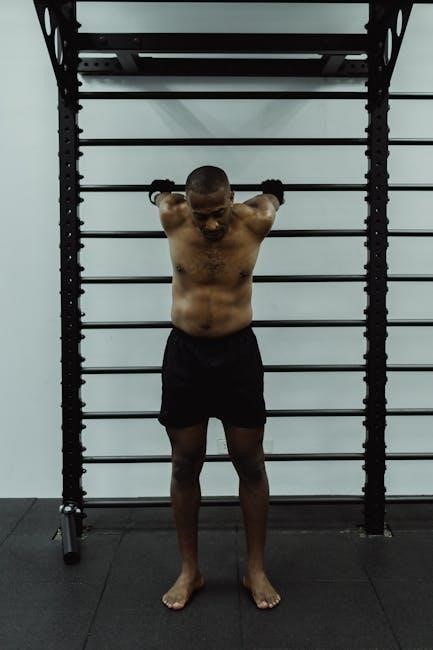
Bodyweight training PDFs offer accessible, structured workout plans utilizing only your own weight for resistance, eliminating gym costs and equipment needs․
These guides, like “Beefy Calisthenics” and routines from Antranik, provide detailed exercise progressions and workout splits for all fitness levels․
Digital formats allow convenient access on various devices, making fitness guidance readily available anytime, anywhere, fostering consistent training habits․
What is Bodyweight Training?
Bodyweight training, at its core, is a form of strength training that utilizes your own body weight as the primary resistance․ Unlike traditional weightlifting which relies on external loads like dumbbells or barbells, bodyweight exercises leverage gravity and your body mass to challenge your muscles․
This approach encompasses a wide range of movements, from fundamental exercises like push-ups, squats, and lunges, to more advanced skills such as handstand push-ups and muscle-ups․ The beauty of bodyweight training lies in its accessibility; it requires minimal to no equipment, making it ideal for home workouts, travel, or outdoor fitness sessions․
PDF guides, such as “Beefy Calisthenics” and resources from trainers like Antranik, often structure bodyweight training into progressive routines․ These routines systematically increase the difficulty of exercises, ensuring continuous improvement in strength, endurance, and overall fitness․ It’s a versatile method suitable for beginners to advanced athletes, offering scalable challenges for all levels․
Essentially, bodyweight training is about mastering control of your own body in space․
Why Use a PDF Guide?
Bodyweight training PDF guides offer a structured and convenient approach to fitness, surpassing the fragmented information often found online․ Unlike relying on scattered YouTube videos, a PDF consolidates a complete program into a single, downloadable document․
Guides like “Beefy Calisthenics” and those by Bret Contreras provide detailed exercise progressions, workout splits (such as Antranik’s 3-day routine), and often include anatomical explanations for optimal form․ This eliminates guesswork and reduces the risk of injury․
The offline accessibility of PDFs is a significant advantage․ You can access your workout plan anywhere, anytime, without needing an internet connection․ Furthermore, PDFs are easily printable, allowing for a tangible workout companion․ They represent a cost-effective alternative to personal training or expensive gym memberships, delivering expert guidance at your fingertips;
Ultimately, a PDF provides a focused, comprehensive, and portable fitness solution․
Popular Bodyweight Training PDF Programs
Notable programs include “Beefy Calisthenics,” Bret Contreras’ anatomical guide, and Antranik’s 3-day routine, each offering unique approaches to bodyweight fitness and muscle development․
Beefy Calisthenics: A Comprehensive Guide
“Beefy Calisthenics” is a highly-regarded, step-by-step PDF guide focused on building muscle using only bodyweight exercises․ It’s designed for individuals seeking to achieve significant strength and physique changes without traditional weightlifting equipment․
The program meticulously details exercise progressions, starting with foundational movements and gradually increasing difficulty․ It emphasizes proper form and technique to maximize results and minimize injury risk․ It covers a wide range of exercises, from basic push-ups and squats to more advanced skills like muscle-ups and handstand push-ups․
A key feature is its structured approach, providing clear workout routines and schedules for different experience levels․ The guide also delves into important aspects like warm-up routines, cool-downs, and recovery strategies․ With a file size of 11․4 MB, it’s a substantial resource for anyone serious about mastering bodyweight training and achieving a muscular physique․
Bret Contreras’ Bodyweight Training Anatomie
Bret Contreras’ “Bodyweight Training Anatomie” is a detailed PDF resource focusing on the anatomical aspects of bodyweight exercises․ Unlike some guides prioritizing routines, this one emphasizes how and why exercises work, providing a deeper understanding of muscle activation․
The guide visually demonstrates which muscles are engaged during each movement, aiding in proper form and targeted training․ It’s particularly valuable for those wanting to optimize their workouts based on anatomical principles․ Contreras, known for his expertise in glute training, applies this knowledge to a comprehensive bodyweight program․
Available in formats like FB2, TXT, EPUB, and PDF, it caters to various reading preferences․ Users can choose to download or read it online, leaving comments and reviews․ This resource is ideal for individuals seeking a scientifically-backed approach to bodyweight fitness, going beyond simple exercise lists․
Antranik’s 3-Day Bodyweight Routine
Antranik’s 3-Day Bodyweight Routine, outlined in a readily available PDF document, provides a structured approach to full-body fitness using minimal equipment․ This program is designed for intermediate to advanced individuals, focusing on progressive overload and challenging variations of classic exercises․
The routine is split into three distinct workout days: Day 1 emphasizes “pushing” movements like dips and handstand push-ups, Day 2 focuses on “pulling” exercises, and Day 3 targets legs and core․ Each day includes a warm-up, primary exercises, and suggested rep/set schemes․
The PDF details specific drills, such as body-line drills for warm-ups, and provides exercise modifications to suit different strength levels․ It’s a practical guide for those seeking a time-efficient and effective bodyweight training plan, promoting strength and muscle endurance․
Essential Exercises Found in Bodyweight Training PDFs
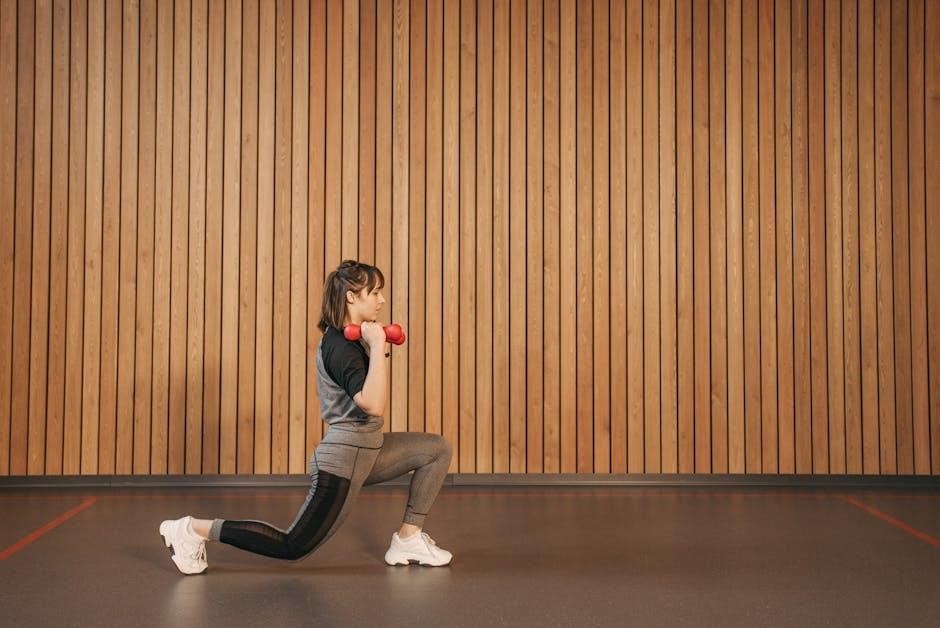
Bodyweight training PDFs commonly feature foundational exercises like push-ups, squats, dips, and handstand push-ups, offering variations and progressions for all skill levels․
These movements build strength, endurance, and functional fitness, forming the core of many effective routines․
Push-Ups: Variations and Progression
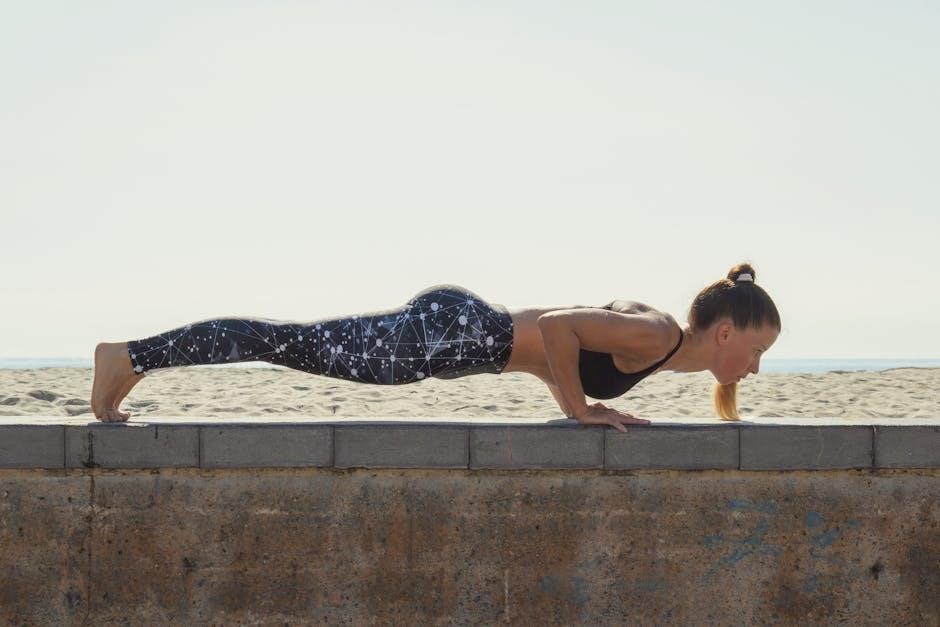
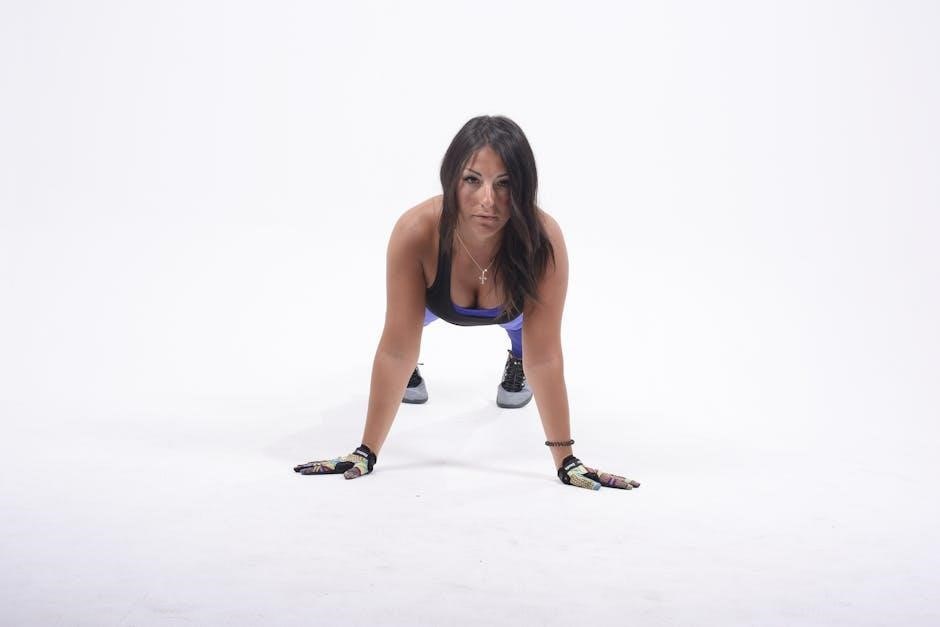
Push-ups are a cornerstone exercise in most bodyweight training PDFs, offering incredible versatility and scalability․ Beginners often start with incline push-ups, utilizing a raised surface like a wall or bench to reduce the load․
As strength increases, progression involves moving to knee push-ups, then standard push-ups․ Further variations include diamond push-ups, targeting the triceps, and wide-grip push-ups, emphasizing the chest․
Advanced practitioners can explore decline push-ups, elevating the feet, or plyometric push-ups, adding an explosive element․ Many PDFs, like “Beefy Calisthenics”, detail specific rep schemes and set structures for each variation․
Proper form is crucial – maintaining a straight line from head to heels – and bodyweight training PDFs often include visual guides and cues to ensure correct technique, minimizing injury risk and maximizing effectiveness․
Squats: Mastering the Fundamentals
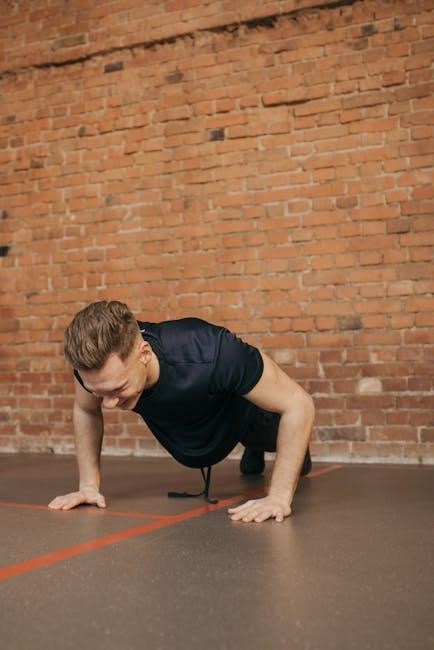
Squats are foundational in bodyweight training PDFs, building lower body strength and overall athleticism․ Mastering proper form is paramount; guides emphasize maintaining a straight back, engaged core, and knees tracking in line with toes․
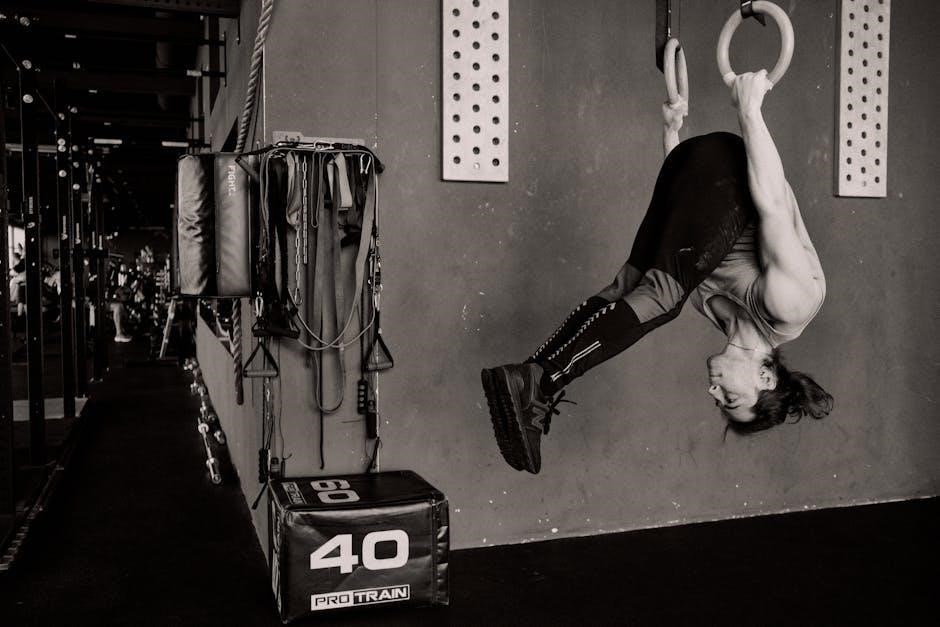
Beginners often benefit from box squats, using a box or chair to ensure adequate depth and proper technique․ Progressions include bodyweight squats, then variations like jump squats for increased intensity and pistol squats for advanced unilateral strength․
Bodyweight training PDFs frequently detail tempo variations – slow, controlled descents and explosive ascents – to challenge muscles differently․
Many programs, such as those by Antranik, incorporate squat variations into full-body routines․ Focusing on full range of motion and consistent practice is key to unlocking the benefits of this essential exercise․
Dips: Building Upper Body Strength
Dips are a highly effective exercise detailed in many bodyweight training PDFs, primarily targeting the chest, triceps, and shoulders․ They require parallel bars or a sturdy substitute, and proper form is crucial to avoid injury․
Beginners may start with assisted dips, using resistance bands for support, or bench dips utilizing a stable surface․ Progressions involve increasing repetitions and reducing assistance, eventually leading to full-bodyweight dips․
Bodyweight training PDFs often emphasize controlled descent and explosive ascent, focusing on a full range of motion․
Antranik’s routines, for example, frequently include dips as a primary “pushing” exercise․ Variations like weighted dips (using a dip belt) can further challenge experienced individuals․ Mastering dips significantly contributes to upper body strength and muscle development․
Handstand Push-Ups: An Advanced Skill
Handstand Push-Ups (HSPUs) represent a pinnacle of upper body strength and control, frequently featured as an advanced exercise within comprehensive bodyweight training PDFs like “Beefy Calisthenics”․ They demand significant shoulder stability, core engagement, and pushing power․
These are not for beginners; PDF guides typically recommend mastering foundational movements like push-ups and dips before attempting HSPUs․ Progressions often start with wall-assisted HSPUs, gradually reducing reliance on the wall as strength increases․
Antranik’s 3-day routine incorporates HSPUs as a challenging exercise for experienced practitioners․ Proper form—a straight body line and controlled descent—is paramount to prevent injury․
Scaling options include pike push-ups and negative HSPUs to build the necessary strength and technique․ Achieving HSPUs demonstrates a high level of bodyweight mastery․
Structuring Your Bodyweight Workout (Based on PDF Guides)
Bodyweight training PDFs emphasize structured routines, often utilizing 3-day splits or full-body workouts, incorporating warm-ups, exercise progressions, and cool-down stretches․
Effective plans, like Antranik’s, prioritize proper form and progressive overload for optimal results․
Warm-Up Routines: Preparing Your Body
Bodyweight training PDFs consistently highlight the critical importance of a thorough warm-up before commencing any workout routine․ These routines aren’t merely about increasing heart rate; they’re about preparing muscles, tendons, and joints for the demands of the exercises to come, significantly reducing the risk of injury․
Typically, a warm-up, lasting 5-10 minutes, incorporates dynamic stretching and light cardio․ Examples frequently found within these guides include body-line drills, arm circles, leg swings, and torso twists․ Antranik’s routine specifically mentions a 60-second hold during body-line drills, followed by elevating the feet to increase intensity․
The goal is to increase blood flow to the muscles, improve range of motion, and activate the nervous system․ A well-executed warm-up enhances performance and allows you to execute exercises with proper form, maximizing effectiveness and minimizing potential strain․ Ignoring this step can compromise your workout and increase the likelihood of setbacks․
Workout Splits: 3-Day vs․ Full Body
Bodyweight training PDFs often present two primary workout split approaches: full body and 3-day splits․ The optimal choice depends on individual fitness levels, recovery capabilities, and training goals․ Full body workouts, as the name suggests, target all major muscle groups in each session, typically performed 2-3 times per week, allowing for ample recovery between sessions․
Conversely, 3-day splits divide the body into different muscle groups trained on separate days․ Antranik’s routine exemplifies this, dedicating one day to “pushing” exercises (dips, handstand push-ups), another to pulling, and a third to legs and core․ This allows for more focused intensity on specific muscle groups․
Beginners often benefit from full body routines to build a foundational level of strength and conditioning, while more experienced individuals may prefer 3-day splits for targeted muscle development and increased volume․ Careful consideration of recovery is crucial with either approach․
Cool-Down and Stretching: Recovery is Key
Bodyweight training PDFs frequently emphasize the importance of cool-down routines and stretching for optimal recovery and injury prevention․ A proper cool-down, typically 5-10 minutes in duration, gradually reduces heart rate and blood pressure, preventing dizziness and muscle soreness․
Static stretching, holding each stretch for 20-30 seconds, improves flexibility and range of motion, enhancing future performance․ Dynamic stretching, involving controlled movements, can also be incorporated, particularly during warm-ups․
Neglecting cool-downs and stretching can lead to muscle stiffness, reduced flexibility, and increased risk of injury․ Prioritizing recovery allows the body to adapt to training stress, promoting muscle growth and overall fitness gains․ Consistent attention to these elements is vital for long-term success․
Genetic Factors & Weight Loss (Related Research)
Research identifies genetic markers influencing weight loss responses to exercise, impacting bodyweight training effectiveness; individual results may vary based on genetic predisposition․
Understanding these factors can personalize training and dietary approaches for optimized outcomes․
Genetic Markers for Exercise-Induced Weight Loss
Systematic reviews are exploring the complex interplay between genetics and weight loss achieved through exercise, including bodyweight training programs found in PDFs․
Researchers aim to pinpoint specific genetic variations that predict an individual’s responsiveness to physical activity, potentially explaining why some individuals see greater results than others with similar routines․
These markers can influence metabolic rate, muscle fiber type composition, and appetite regulation – all crucial factors in weight management․
Identifying these genetic predispositions could revolutionize personalized fitness plans, allowing for tailored bodyweight training regimens and nutritional guidance to maximize weight loss potential․
Currently, research is ongoing to validate these findings and translate them into practical applications for individuals utilizing bodyweight training PDFs․

Resources & Platforms for Bodyweight Training
YouTube provides a wealth of instructional videos complementing bodyweight training PDFs, demonstrating proper form and exercise variations for optimal results․
YouTube Music offers curated playlists to energize workouts, enhancing motivation and performance during PDF-guided routines․
YouTube as a Learning Resource
YouTube serves as an invaluable supplementary resource when utilizing bodyweight training PDFs, offering a dynamic visual component often missing from static documents․
Numerous channels demonstrate correct exercise technique, crucial for preventing injuries and maximizing effectiveness, particularly for complex movements like handstand push-ups or advanced dip variations․
Users can find detailed tutorials breaking down each exercise step-by-step, allowing for a deeper understanding of proper form and muscle engagement․
Searching for specific exercises mentioned in your PDF – such as “push-up progression” or “squat form” – yields a plethora of instructional videos․
Beyond technique, YouTube provides motivation and inspiration through fitness influencers and workout routines, complementing the structured plans found in PDFs․
The platform’s accessibility, with both free and premium content, makes it an ideal companion for anyone embarking on a bodyweight training journey guided by a PDF program․
It’s a fantastic way to visualize and refine your technique, ensuring you’re getting the most out of every rep․
YouTube Music for Workout Playlists
YouTube Music significantly enhances the bodyweight training experience guided by PDFs, providing the motivational soundtrack needed to push through challenging sets and maintain workout intensity․
Creating curated playlists tailored to your preferred tempo and genre can dramatically improve focus and enjoyment during routines like those found in “Beefy Calisthenics” or Antranik’s programs․
The platform’s vast library, boasting “over 100 million songs,” ensures a diverse selection to match any workout style, from high-energy HIIT sessions to slower, strength-focused exercises․
Utilizing features like personalized recommendations and discovering new artists keeps your playlists fresh and engaging, preventing workout boredom․
Seamless integration across devices allows for uninterrupted music playback, whether training at home, in the park, or while following a PDF routine on the go․
A well-crafted playlist can synchronize your movements, boosting performance and making each bodyweight training session more effective and enjoyable․
Maximizing Results with Bodyweight Training PDFs
Consistent application of progressive overload, alongside proper nutrition, unlocks optimal gains from bodyweight PDFs, like those detailing routines from various experts․
Strategic progression and fueling your body are vital for maximizing strength and achieving desired fitness outcomes․
Progressive Overload: The Key to Gains
Bodyweight training PDFs consistently emphasize progressive overload as the cornerstone of achieving noticeable results․ This principle involves gradually increasing the demands placed upon your muscles over time, forcing them to adapt and grow stronger․
Initially, this might mean increasing the number of repetitions for each exercise, as suggested in many beginner routines․ As you become more proficient, PDFs guide you towards more challenging variations – transitioning from knee push-ups to standard push-ups, or from assisted dips to full dips․
Furthermore, PDFs often detail methods like slowing down the eccentric (lowering) phase of an exercise to increase time under tension, or reducing rest periods between sets․ Advanced techniques, such as incorporating pauses at the most challenging point of a movement, are also frequently outlined․
Effectively utilizing progressive overload, as detailed within these guides, ensures continuous improvement and prevents plateaus, maximizing the benefits of your bodyweight training journey․
Nutrition for Bodyweight Training
While bodyweight training PDFs primarily focus on exercise, they often acknowledge the crucial role of nutrition in optimizing results․ Many guides implicitly or explicitly state that proper fueling is essential for muscle recovery, growth, and overall performance․
Although specific dietary plans aren’t always included, the emphasis is generally on consuming a balanced diet rich in protein to support muscle repair and development․ Adequate carbohydrate intake is also highlighted to provide energy for workouts and replenish glycogen stores․
PDFs often suggest prioritizing whole, unprocessed foods and maintaining sufficient hydration․ Some resources may touch upon the importance of calorie intake, particularly for those aiming to gain muscle mass or lose weight alongside their training․
Ultimately, these guides reinforce that nutrition isn’t merely an add-on, but an integral component of a successful bodyweight training regimen, complementing the physical challenges․