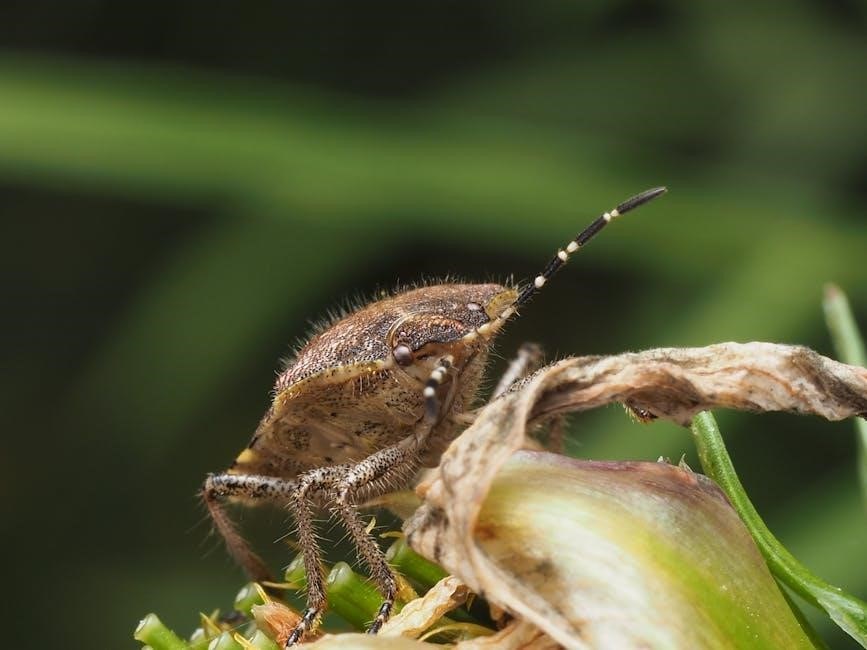
Bug field guides are essential tools for anyone fascinated by the incredible diversity of insects, offering a structured approach to identification and understanding.
These guides empower both amateur enthusiasts and seasoned professionals to accurately name and learn about the fascinating world of arthropods around us.
What is a Bug Field Guide?
A bug field guide is a portable reference book designed to aid in the identification of insects and other arthropods in their natural environment. These guides typically feature detailed illustrations or photographs, alongside descriptive text covering key characteristics, habitat preferences, and life cycles.
Unlike comprehensive entomological texts, field guides prioritize practicality and ease of use, focusing on the most commonly encountered species within a specific geographic region. They often employ a visual key system, allowing users to narrow down possibilities based on observable traits like size, shape, color, and wing patterns.
Effective field guides also include information on insect behavior, ecological roles, and potential impacts – whether beneficial or detrimental – making them valuable resources for both casual observers and researchers alike. They bridge the gap between scientific study and accessible outdoor exploration.
Why Use a Field Guide?
Utilizing a bug field guide transforms observation into understanding, fostering a deeper appreciation for the intricate world of insects. Identification empowers you to move beyond simply noticing a bug to knowing what it is, its role in the ecosystem, and potential interactions with plants or even humans.
Field guides are invaluable for citizen science initiatives, enabling accurate data collection for monitoring insect populations and tracking biodiversity changes. They also aid in identifying potential garden pests or beneficial insects, informing responsible pest management strategies.
Beyond practical applications, field guides cultivate curiosity and a sense of connection with nature. They encourage mindful exploration and provide a framework for learning about the fascinating adaptations and behaviors of these often-overlooked creatures, enriching outdoor experiences.
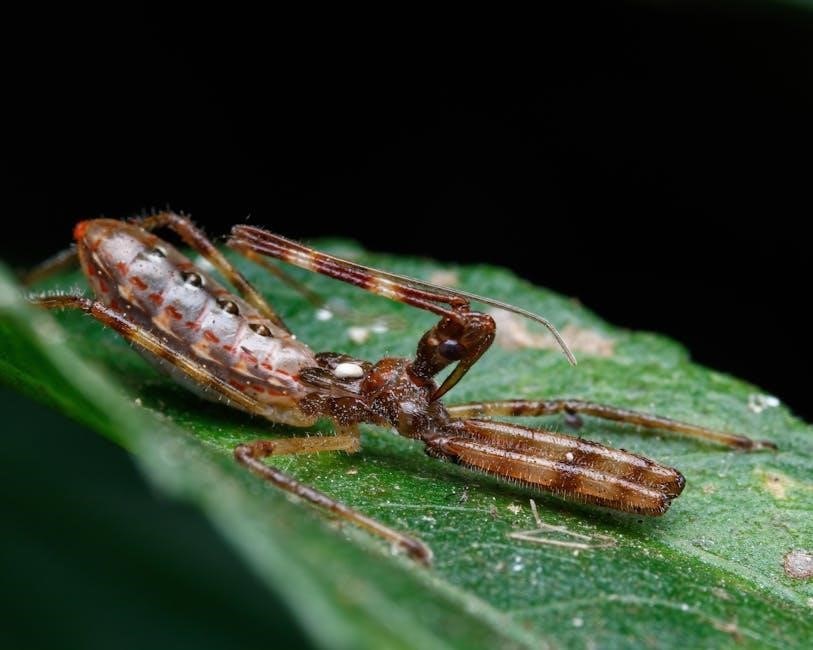
Essential Identification Tools
Successful insect identification relies on having the right equipment, including magnifying glasses, collection jars, insect nets, and cameras for detailed documentation.
Magnifying Glass & Collection Jars
A quality magnifying glass is paramount for observing minute details crucial for insect identification, such as vein patterns on wings, leg structures, and subtle color variations.
Different magnifications are useful; a 10x or 20x lens is a good starting point, while higher powers reveal even finer characteristics.
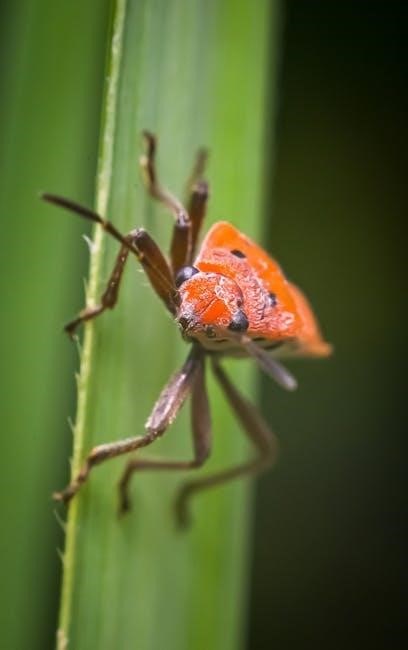
Collection jars, ideally with airtight lids, provide a safe and temporary holding space for specimens, allowing for closer examination.
Adding a small piece of plaster or paper to the bottom prevents damage to delicate wings and legs.
Ethanol (70-95%) is often used as a preservative, but proper handling and safety precautions are essential.
Clearly labeling each jar with the date, location, and any initial observations is vital for maintaining accurate records.
Remember ethical collecting practices and avoid over-collecting from any single location.
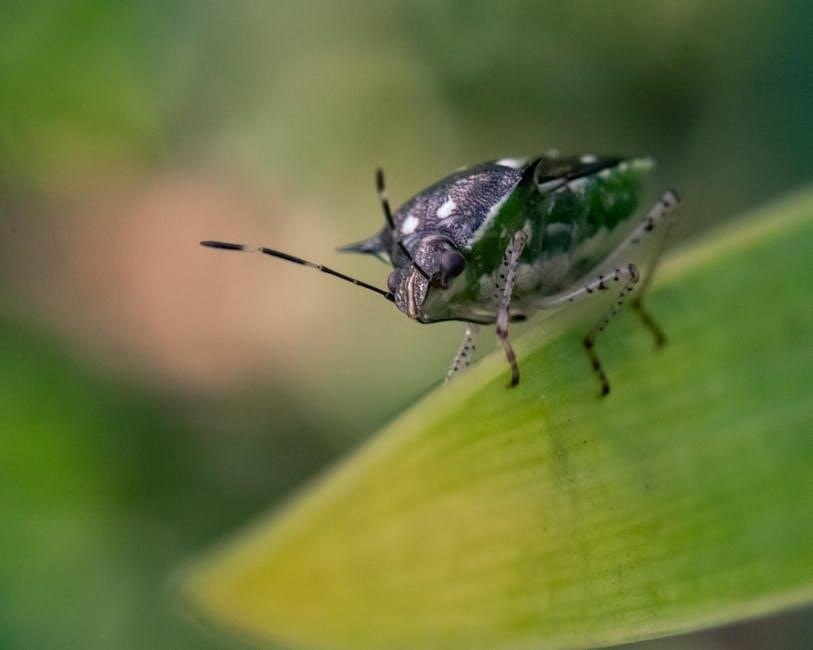
Insect Netting Techniques
Effective insect netting requires a swift, sweeping motion, aiming below the insect and then bringing the net upwards and backwards to capture it.
Avoid jerky movements that can startle the insect and cause it to fly away.
Different net sizes are suited for different habitats and insect types; a longer handle is useful for reaching higher vegetation.
For flying insects, approach from downwind to avoid alerting them to your presence.
Once captured, quickly twist the net closed to prevent escape, and gently transfer the insect to a collection jar.
Be mindful of fragile wings – avoid rough handling.
Practice makes perfect; mastering netting technique significantly increases your success rate in obtaining specimens for study and identification.
Always be aware of your surroundings and potential hazards while netting.
Photography for Identification
High-quality photographs are invaluable for insect identification, especially when a physical specimen isn’t readily available or for documenting observations.
Focus on capturing clear images of key identifying features – wing venation, leg structure, and body shape are crucial.
Utilize macro photography to reveal intricate details often invisible to the naked eye.
Good lighting is essential; diffused natural light is preferable to harsh direct sunlight.
Take multiple shots from various angles, including dorsal, lateral, and ventral views.
Include a scale (ruler or coin) in the photo for size reference.
Sharp focus is paramount; use a tripod to minimize camera shake.
Properly labeled images with date, location, and any behavioral notes enhance their scientific value.
Common Insect Orders & Families
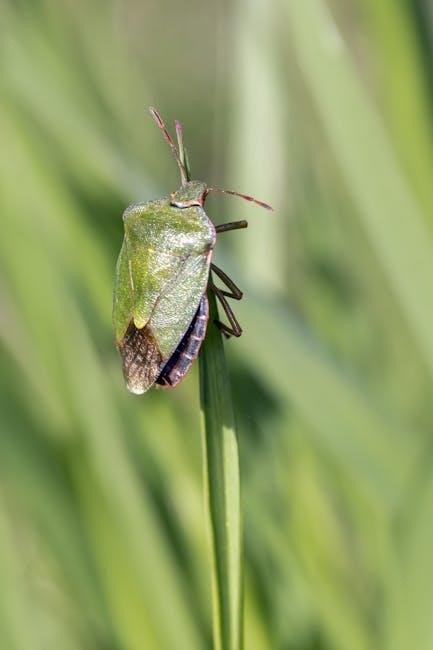
Understanding insect orders – Coleoptera, Hymenoptera, Diptera, and Hemiptera – is fundamental for effective identification, providing a framework for classification and study.
Order Coleoptera: Beetles
Beetles (Order Coleoptera) represent the most diverse group of insects, boasting a staggering number of species – exceeding 400,000 worldwide! A defining characteristic is their hardened forewings, known as elytra, which protect the delicate hindwings used for flight. Beetles exhibit incredible variation in size, shape, and color, inhabiting nearly every terrestrial and freshwater habitat.
Identification often focuses on key features like the shape of the antennae, the structure of the legs, and the patterns on the elytra. Families like Scarabaeidae (scarab beetles) are readily identifiable, but many others require closer examination. Resources like field guides and online databases are crucial for navigating this immense diversity. Recognizing beetle families is a cornerstone of insect identification, offering a significant step towards understanding local ecosystems.
Order Hymenoptera: Bees, Wasps & Ants
Hymenoptera – encompassing bees, wasps, and ants – is a highly diverse order characterized by their often-complex social behaviors and, crucially, a narrow “waist” connecting the thorax and abdomen. Many species possess a stinger, modified from an ovipositor, used for defense or paralyzing prey. Bees are vital pollinators, while wasps exhibit predatory lifestyles, and ants are renowned for their intricate colony structures.
Identifying Hymenoptera requires attention to wing venation, body shape, and coloration. Distinguishing between bees and wasps can be tricky, but observing pollen-carrying structures on bees is helpful. Ant identification often relies on examining the number of nodes in the petiole (the narrow waist). Accurate identification is essential, considering the ecological roles and potential stings associated with these fascinating insects.
Order Diptera: Flies
Diptera, commonly known as flies, is a remarkably diverse order distinguished by possessing only two functional wings – hence the name “di” meaning two, and “ptera” meaning wings. The second pair of wings is reduced to halteres, small balancing organs. Flies occupy a vast range of ecological niches, from pollinators and decomposers to predators and parasites. Their life cycles often involve distinct larval stages, such as maggots.
Identifying flies can be challenging due to their sheer number and morphological variation. Key characteristics include wing patterns, body shape, and the structure of their antennae. Observing their behavior – feeding habits, flight patterns – can also aid identification. Some flies are beneficial, while others are significant pests or vectors of disease, making accurate identification crucial for ecological studies and public health.
Order Hemiptera: True Bugs
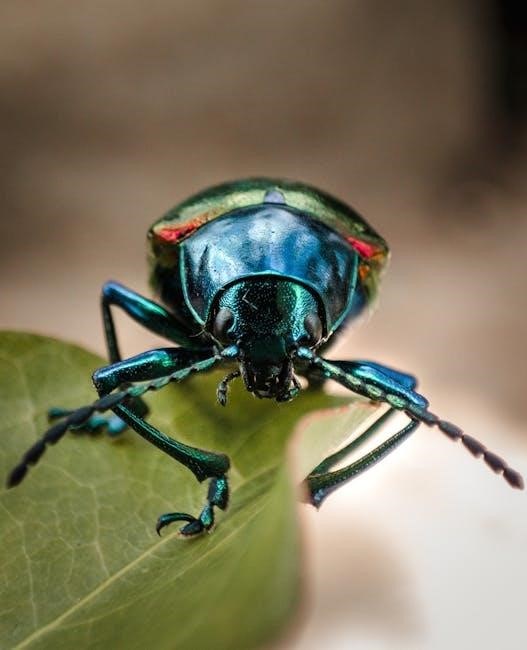
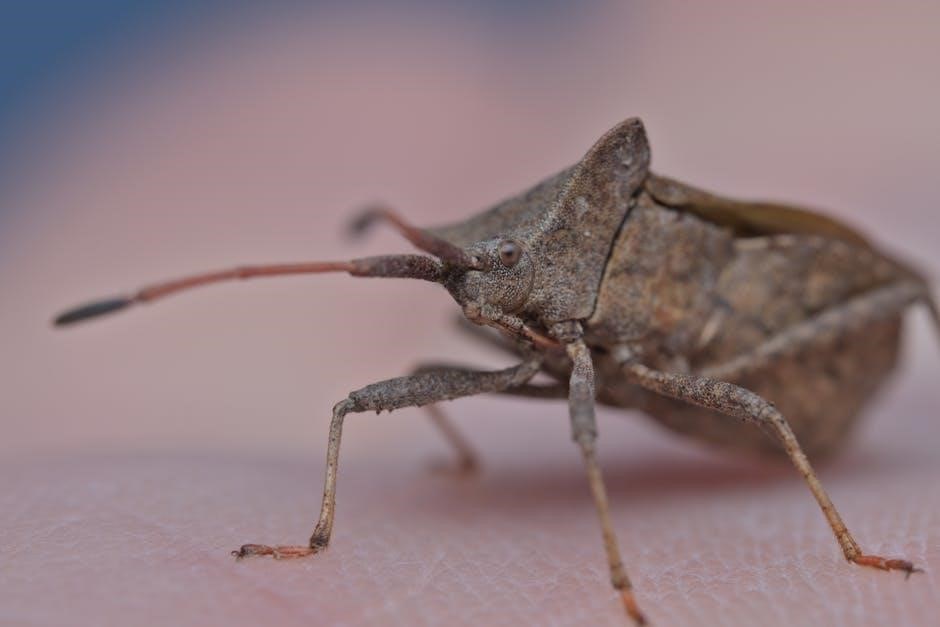
Hemiptera, or “true bugs,” are characterized by their piercing-sucking mouthparts, used to feed on plant sap or animal fluids. This order is incredibly diverse, encompassing insects like aphids, cicadas, leafhoppers, and bed bugs. A defining feature is the presence of hemelytra – front wings that are hardened at the base and membranous at the tip. These wings often form a distinctive “V” shape on the back.
Identification relies on examining wing venation, body shape, and the structure of the mouthparts. Many Hemiptera exhibit bright coloration or intricate patterns. Some species are agricultural pests, causing significant damage to crops, while others play a role in plant pollination. Understanding their life cycles and feeding habits is vital for effective pest management and ecological balance.
Focus on Pest Identification
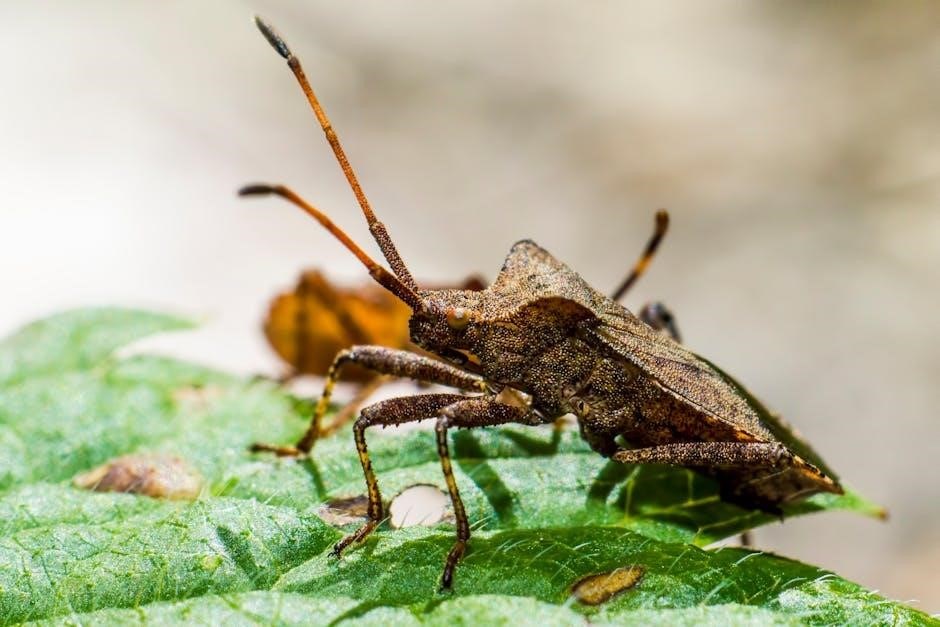
Pest identification is crucial for effective control, utilizing field guides to pinpoint damaging insects like cockroaches and garden pests, ensuring targeted solutions.
Cockroach Identification
Cockroach identification relies on recognizing key features, as several species infest homes and gardens. Guides detail variations in size, color, and shape – crucial for accurate diagnosis.
German cockroaches, a common indoor pest, are small and light brown, while American cockroaches are larger and reddish-brown. Identifying markings, like the pronotum shield, aid differentiation.
Roach identification guides often include detailed images and descriptions of nymphs (immature stages) and adults. Understanding their life cycle helps pinpoint infestations.
Resources like online charts and pest control websites provide visual aids for comparison. Accurate identification is the first step towards effective control strategies, preventing further damage and health risks.
Knowing the specific species informs the best treatment approach, whether it involves baits, sprays, or professional pest control services. Proper identification saves time and resources.
Garden Pest Identification
Garden pest identification is vital for maintaining healthy plants. A field guide helps distinguish between beneficial insects and those causing damage, preventing unnecessary pesticide use.
Common garden pests include aphids, caterpillars, beetles, and squash bugs, each exhibiting unique feeding patterns and appearances. Guides illustrate these differences clearly.
Look for telltale signs like chewed leaves, discolored foliage, or the presence of insects themselves; Identifying the pest early allows for timely intervention and minimizes crop loss.
Resources offer detailed descriptions of pest life cycles, aiding in understanding their behavior and vulnerabilities. Knowing when pests are most active informs control strategies.
Guides often categorize pests by the plants they target, streamlining the identification process. Accurate identification is crucial for selecting appropriate and effective treatment options, ensuring a thriving garden.
Understanding Insect Anatomy
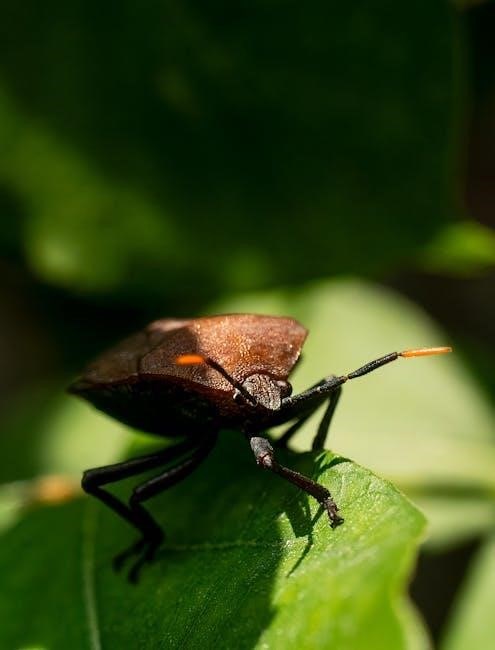
Insect anatomy is key to identification; features like wing venation, leg structure, and mouthparts provide crucial clues for accurate classification and study.
Key Anatomical Features for Identification
Precise observation of anatomical details is paramount when identifying insects. Begin with the body plan: insects possess three distinct body segments – the head, thorax, and abdomen – each with specific features. The head bears antennae, crucial for sensing the environment, and mouthparts adapted to diverse feeding strategies.
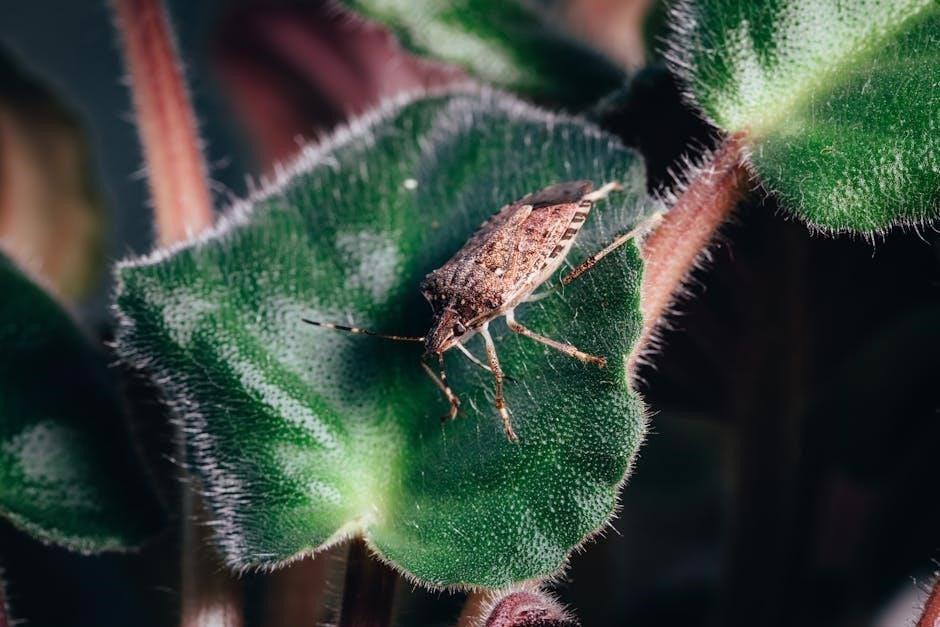
The thorax supports legs (typically six) and wings (if present); note the leg structure – are they adapted for jumping, digging, or grasping? Wing venation patterns are remarkably consistent within insect orders and families, offering a powerful identification tool. Finally, examine the abdomen, noting its segmentation and any visible cerci or other appendages.
Pay close attention to the presence or absence of specific structures, their shape, size, and coloration. Detailed examination, combined with a good field guide, will significantly improve your identification accuracy.
, are fundamental tools for insect identification. These keys present a series of paired, mutually exclusive statements about an insect’s characteristics. You choose the statement that best describes your specimen and are directed to another pair of statements.
This process continues, narrowing down possibilities with each choice, until you arrive at a final identification. Accuracy is crucial; carefully observe the insect and select the most appropriate statement. Understand the terminology used in the key – a glossary is essential!
Be prepared to backtrack if your initial choice leads to inconsistencies. Practice and patience are key to mastering this powerful identification technique.
Resources for Further Learning
Online resources like UMass Amherst CAFE and the r/Entomology Reddit community offer valuable identification assistance and expert advice for enthusiasts.
Online Insect Identification Resources (UMass Amherst CAFE)
The Center for Agriculture, Food, and the Environment (CAFE) at UMass Amherst provides a wealth of online resources dedicated to insect identification and pest management.
Their website features a Professional Insect & Mite Guide, a crucial tool for accurate identification, particularly for those in landscape and agricultural professions.
Beyond identification, CAFE offers valuable resources like the Nursery Best Management Practices (BMP) Manual, aiding in sustainable pest control within nurseries.
A comprehensive Garden Calendar assists with proactive pest and disease management, while Useful Links connect users to additional relevant information.
CAFE also supports professional development through Association Certification and Pesticide License Information, alongside detailed Pesticide Resources and Nutrient Management guides.
Furthermore, they provide Plant Identification services and host regular Education & Events, fostering a community of informed practitioners and enthusiasts;
Reddit Entomology Community (r/Entomology)
The r/Entomology subreddit on Reddit serves as a vibrant online community for insect enthusiasts, researchers, and professionals alike, offering a collaborative space for identification assistance and knowledge sharing.
Discussions frequently revolve around identifying challenging specimens, with experienced entomologists readily offering their expertise.
as a foundational text.
However, users emphasize that this key is a starting point, requiring supplemental resources to narrow down identification to the species level due to the sheer diversity of insects.
The subreddit is a valuable platform for asking questions, sharing observations, and staying updated on current entomological research and discoveries.
It’s a dynamic resource for anyone pursuing deeper understanding of insect taxonomy and identification techniques.
Diagnostic Manuals for Insect Pathogens
For those interested in the diseases affecting insects, Diagnostic Manual for the Identification of Insect Pathogens by George Poinar provides a specialized resource for diagnosing insect illnesses.
This manual is specifically designed to aid in the identification of pathogens that impact insect populations, crucial for understanding insect ecology and pest management.
It’s a valuable tool for researchers, diagnosticians, and anyone studying the complex relationship between insects and the microorganisms that affect them.
Understanding insect pathogens can provide insights into natural pest control mechanisms and the overall health of insect ecosystems.
The manual offers detailed descriptions and diagnostic keys to assist in accurately identifying various insect pathogens.
This resource complements broader insect identification guides by focusing on the microscopic world of insect diseases.