
Cocoa Wheat Instructions: An Overview
Cocoa wheat baking blends the rich flavor of cocoa with the wholesome goodness of wheat, offering diverse recipes from breads to cookies․
Exploring variations like zebra swirls or chocolate chip additions showcases the versatility of this delightful combination, appealing to a wide range of palates․
Understanding the Combination
The synergy between cocoa and wheat stems from a delightful contrast and complement of flavors and textures․ Wheat provides a neutral, slightly nutty base, acting as a perfect canvas for cocoa’s intense, often bittersweet notes․ This pairing isn’t merely about taste; it’s about enhancing the overall sensory experience․
Historically, wheat has been a staple grain, offering structure and substance․ The addition of cocoa, whether as powder or shell, introduces complexity and depth․ Recipes demonstrate this beautifully, from the simple addition of cocoa to wheat bread for a subtle chocolate hint, to more elaborate creations like zebra bread, showcasing a striking visual and flavorful swirl․ The combination allows for both indulgence and a sense of wholesome goodness, making it a popular choice for bakers and home cooks alike․
The Appeal of Cocoa and Wheat
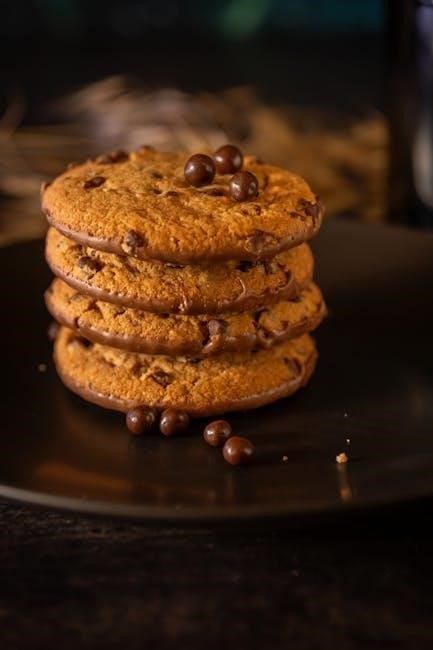
Cocoa and wheat’s enduring appeal lies in their ability to satisfy diverse culinary desires․ Wheat offers a comforting familiarity, grounding the experience, while cocoa introduces an element of luxury and indulgence․ This balance resonates with those seeking both nourishment and pleasure in their baked goods;
The versatility of this pairing is also key․ From hearty breads to delicate cookies, cocoa and wheat adapt seamlessly to various recipes․ The internet buzzes with examples – chocolate chip cocoa wheat bread, peanut butter cocoa wheat cookies, and even unique creations utilizing cocoa shell for a distinct flavor profile․ This adaptability, coupled with the readily available nature of both ingredients, contributes to its widespread popularity and continued exploration in the baking world․

Basic Cocoa Wheat Bread Recipe
This foundational recipe combines wheat flour, cocoa powder, butter, and eggs for a delightful loaf․ It’s a starting point for countless cocoa wheat variations!
Ingredients for Cocoa Wheat Bread
To embark on your cocoa wheat bread journey, you’ll need a carefully curated selection of ingredients․ Begin with 150g of wheat flour, forming the bread’s structural base․ Incorporate 100g of wheat flour for enhanced texture and flavor․ A medium egg binds the ingredients, contributing to richness․
Don’t forget 150g of butter, lending moisture and tenderness․ For that signature cocoa flavor, add cocoa powder – approximately 3 tablespoons is a good starting point․ A touch of baking soda (0․5 tsp) aids in leavening, creating a light and airy crumb․ Consider optional additions like jam for a delightful twist․ Dark chocolate chips (3 tbsp) elevate the chocolate experience․
Step-by-Step Baking Instructions
Begin by combining the wheat flour, cocoa powder, and baking soda in a large bowl․ In a separate container, cream together the butter and sugar until light and fluffy․ Beat in the egg until well combined․ Gradually add the dry ingredients to the wet ingredients, mixing until just combined – avoid overmixing․
If using, gently fold in the chocolate chips or jam․ Pour the batter into a greased loaf pan and spread evenly․ Bake in a preheated oven (temperature will vary depending on recipe – typically around 350°F/175°C) for approximately 50-60 minutes, or until a toothpick inserted into the center comes out clean․ Let cool completely before slicing and enjoying!

Variations on Cocoa Wheat Recipes
Expand your baking with options like chocolate chip cocoa wheat bread, peanut butter cocoa wheat cookies, or a visually stunning zebra bread swirl creation․
Chocolate Chip Cocoa Wheat Bread
Elevate your cocoa wheat bread with the irresistible addition of dark chocolate chips! This variation builds upon a basic cocoa wheat recipe, introducing pockets of melted chocolate throughout the loaf․ The combination of the slightly bitter cocoa and the sweet, creamy chocolate creates a harmonious flavor profile that’s both comforting and decadent․
To incorporate chocolate chips, simply add approximately 3 tablespoons of your preferred dark chocolate chips to the dough during the final kneading stage․ Ensure they are evenly distributed for consistent chocolatey goodness in every slice․ Consider using mini chocolate chips for a more delicate texture․ This simple addition transforms a classic bread into a truly special treat, perfect for breakfast, snacks, or dessert․
Peanut Butter Cocoa Wheat Cookies
Transform cocoa and wheat into delightful cookies by incorporating creamy peanut butter! These cookies offer a satisfyingly chewy texture and a rich, nutty flavor that complements the cocoa beautifully․ The wheat flour provides a wholesome base, while the peanut butter adds moisture and a distinct taste․
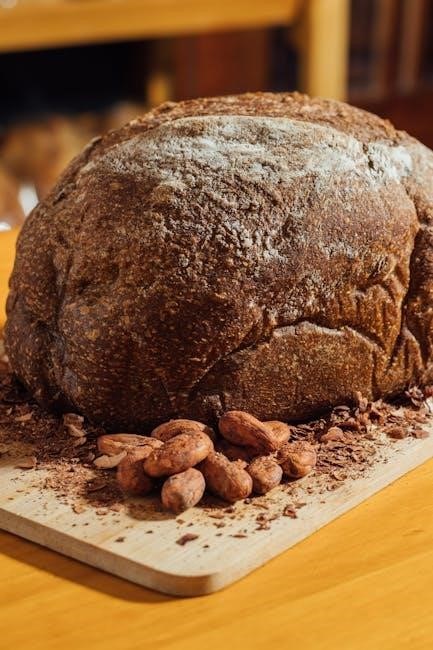
A typical recipe involves combining wheat flour, cocoa powder, peanut butter, sugar, and a binding agent like an egg․ Adjust the amount of peanut butter to achieve your desired level of peanut butter flavor․ Consider adding a touch of vanilla extract to enhance the overall aroma and taste․ These cookies are a fantastic alternative to traditional chocolate chip cookies, offering a unique and delicious twist․
Zebra Bread: A Cocoa Wheat Swirl
Zebra bread beautifully showcases the contrast between light and dark doughs, creating a visually stunning loaf․ This technique involves dividing a basic wheat dough into two portions – one remaining plain, and the other infused with cocoa powder․ The key to achieving the zebra stripes lies in carefully layering these two doughs within the loaf pan․
Typically, alternating strips of each dough are arranged side-by-side before baking․ A gentle swirl with a knife can further enhance the marbled effect․ Sourdough wheat bread variations are also popular, adding a tangy depth to the flavor profile․ The result is a moist, flavorful bread with an eye-catching design, perfect for breakfast or a delightful snack․
Cocoa Powder vs․ Cocoa Shell in Wheat Baking
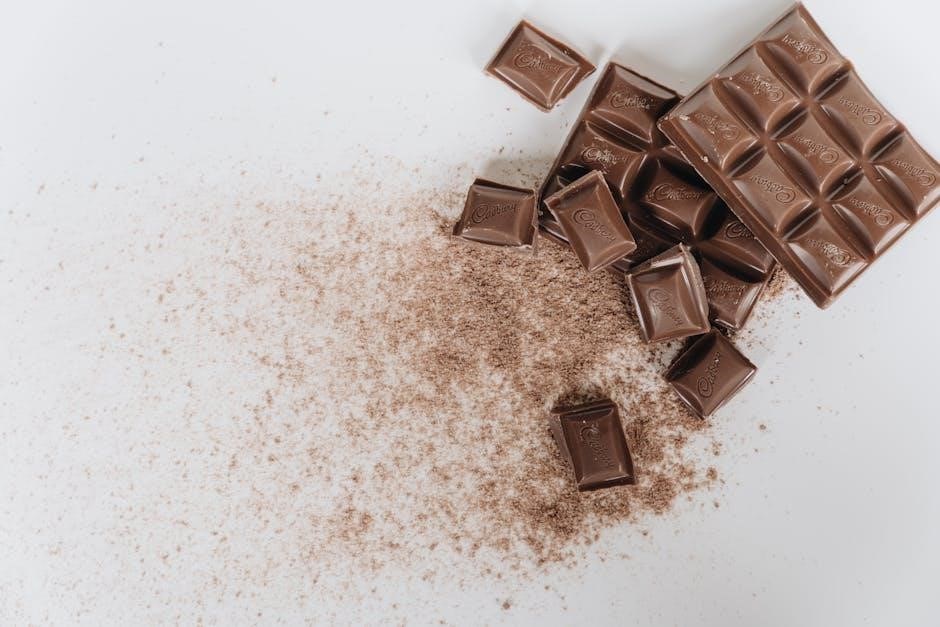
Cocoa powder and shell offer distinct flavors; shell provides a unique, slightly bitter taste, while powder delivers a classic chocolate richness to wheat-based goods․
Impact on Flavor and Texture
The choice between cocoa powder and cocoa shell significantly impacts the final product’s flavor profile and texture․ Cocoa powder, readily available, imparts a consistent, familiar chocolate taste, blending seamlessly into wheat-based recipes like breads and cookies․ It generally results in a softer crumb structure․

Conversely, utilizing cocoa shell introduces a more nuanced, slightly bitter, and robust cocoa flavor․ This can add complexity, but may also yield a somewhat coarser texture due to the shell’s particulate nature․ Recipes incorporating cocoa shell often benefit from adjustments to hydration levels to maintain optimal dough consistency․ The shell’s unique character can elevate baked goods, offering a distinctive experience beyond standard chocolate flavors․
Using Cocoa Shell for a Unique Taste
Employing cocoa shell in wheat baking unlocks a distinctive flavor dimension, moving beyond the conventional sweetness of cocoa powder․ This byproduct of cocoa bean processing delivers a more intense, earthy, and slightly bitter chocolate note, adding depth to breads and cookies․
When incorporating cocoa shell, consider its coarser texture; finer grinds are preferable for smoother results․ Experimentation is key – start by substituting a portion of the cocoa powder with shell, adjusting to taste․ Recipes may require increased liquid to compensate for the shell’s absorbency․ The resulting baked goods offer a rustic, complex flavor profile, appealing to those seeking a less processed, more authentic cocoa experience․ It’s a subtle shift with a significant impact․

Wheat Flour Types for Cocoa Recipes
Selecting the right wheat flour is crucial; whole wheat adds nuttiness, while pastry flour creates a tender crumb, perfectly complementing cocoa’s rich flavor․
Whole Wheat Flour Considerations
Utilizing whole wheat flour in cocoa wheat recipes introduces a delightful nuttiness and increased fiber content, enhancing the overall nutritional profile of your baked goods․ However, it’s important to acknowledge that whole wheat flour possesses a higher protein content compared to all-purpose or pastry flour․ This can result in a denser, sometimes drier, final product if not properly balanced․
To counteract this, consider incorporating a portion of bread flour alongside the whole wheat, or slightly increasing the liquid content in your recipe․ The absorption rate of whole wheat is also different, so allowing the dough to rest and hydrate fully is beneficial․ Experimenting with different percentages of whole wheat flour – starting with a 25% substitution – allows you to achieve the desired texture and flavor without compromising the lightness of your cocoa-infused creations․
Pastry Flour and Cocoa Combinations
Employing pastry flour alongside cocoa and wheat offers a remarkably tender crumb, ideal for delicate cocoa wheat cookies or softer bread variations․ Pastry flour, with its lower protein content, inhibits gluten development, resulting in a lighter, more delicate texture․ This is particularly advantageous when working with the potentially drying effect of cocoa powder․
When substituting pastry flour, consider it best suited for recipes where a crumbly or melt-in-your-mouth texture is desired․ A blend of pastry flour and all-purpose wheat flour can strike a balance between tenderness and structure․ Remember that pastry flour absorbs less liquid, so slight adjustments to the recipe’s hydration may be necessary to achieve the optimal dough consistency․ This combination truly elevates the cocoa flavor, creating a refined and enjoyable treat․
Additional Ingredients & Enhancements
Enhance cocoa wheat recipes with sugar, sweeteners, and fats like butter or palm oil for improved texture and flavor, creating richer, more satisfying baked goods․
Sugar and Sweeteners
Sugar plays a crucial role in cocoa wheat baking, not only for sweetness but also for texture and moisture retention․ Granulated sugar is commonly used, providing a consistent sweetness level․ However, exploring alternative sweeteners can add unique dimensions to your baked goods․
Coconut sugar, for instance, offers a subtle caramel flavor and lower glycemic index․ The provided recipes suggest using 100 grams of sugar in certain applications, or 2 tablespoons of coconut sugar․ Adjusting the amount of sweetener allows for customization based on personal preference and dietary needs․ Remember that cocoa powder itself can contribute to a slightly bitter taste, so balancing it with sufficient sweetness is key to a harmonious flavor profile․
Experimenting with different sweeteners can elevate your cocoa wheat creations!
The Role of Fats (Butter, Palm Oil)
Fats are essential in cocoa wheat recipes, contributing to tenderness, flavor, and overall texture․ Butter, with its rich taste, is a popular choice, lending a classic bakery-style quality to breads and cookies․ Palm oil, as seen in some ingredient lists, offers a different functionality – it provides structure and a slightly different mouthfeel․
Recipes often call for around 100-150g of butter, impacting the final product’s crumb and moistness․ The type of fat used influences the spread and chewiness of cookies, or the softness of bread․ Utilizing a combination of fats can also yield interesting results, balancing flavor and texture․ Understanding how different fats behave is key to achieving desired outcomes in your cocoa wheat baking endeavors․

Troubleshooting Common Issues
Common problems include dense or dry results, and uneven cocoa distribution․ Adjusting liquid levels or ensuring thorough mixing can resolve these issues effectively․
Dense or Dry Cocoa Wheat Bread
Achieving the perfect texture in cocoa wheat bread requires careful attention to hydration and mixing techniques․ A dense loaf often indicates insufficient leavening or over-mixing, developing too much gluten․ Ensure your baking powder or soda is fresh and accurately measured․ Conversely, a dry loaf suggests too much flour or insufficient liquid․
Gradually add flour, observing the dough’s consistency․ Consider incorporating ingredients like yogurt or applesauce to enhance moisture retention․ Remember that whole wheat flour absorbs more liquid than pastry flour, potentially necessitating adjustments․ Proper kneading is crucial; avoid overworking the dough, which can lead to a tough, dense crumb․ Finally, oven temperature plays a role – ensure it’s accurate for even baking․
Uneven Cocoa Distribution
Ensuring consistent cocoa flavor throughout your baked goods requires proper incorporation techniques․ Simply adding cocoa powder directly to dry ingredients can lead to clumping and uneven distribution․ A better approach involves sifting the cocoa powder with the flour to break up any lumps before combining with wet ingredients․
Alternatively, bloom the cocoa powder in a small amount of hot liquid (water, milk, or melted butter) to create a smooth paste before adding it to the batter or dough․ For recipes with chocolate chips, gently fold them in at the very end to prevent them from sinking․ Thorough, yet gentle, mixing is key to achieving a uniform cocoa presence in every bite․