
Connecticut Pistol Permit Application Process
Obtaining a Connecticut Pistol Permit is a complex but necessary process, governed by CT General Statute 29-28 et seq., for legal firearm purchase and concealed carry. This involves completing a mandatory safety course, submitting fingerprints, and filing local and state applications.
Legal Basis: Connecticut General Statute 29-28 et seq.
The foundation for Connecticut’s pistol permit application process is firmly established within the state’s legal framework. Specifically, the procedures for applying for and obtaining a permit to carry pistols and revolvers are governed by Connecticut General Statute 29-28 et seq. This vital legislation outlines the various requirements, responsibilities, and legal conditions that applicants must meet to be eligible for a permit. The statutes provide a comprehensive guide, ensuring that the application and issuance processes are conducted consistently and in accordance with state law;
Prospective applicants are strongly advised to meticulously review the relevant sections of the Connecticut General Statutes before commencing their application. This critical step ensures a thorough understanding of the legal prerequisites, prohibitions, and the overall regulatory environment surrounding firearm ownership and concealed carry in the state. These statutes can be readily accessed and reviewed online via the official Connecticut General Assembly website, www.cga.ct.gov, or through local public libraries. Familiarity with C.G.S. 29-28 et seq., along with other pertinent statutes such as 29-36 et seq. and 53a-217 et seq., is crucial for anyone seeking to navigate the permit system successfully. Understanding the legal basis helps applicants prepare accurately and avoid common pitfalls, underscoring the serious nature of firearm permitting.
Purpose for Legal Firearm Purchase and Concealed Carry
In Connecticut, obtaining a pistol permit is a fundamental and indispensable step for individuals seeking to legally purchase a firearm or to lawfully carry a handgun, whether openly or concealed, within the state’s borders. This permit is not merely a formality but a critical legal document that grants the holder the authority to engage in these activities in full compliance with state statutes.
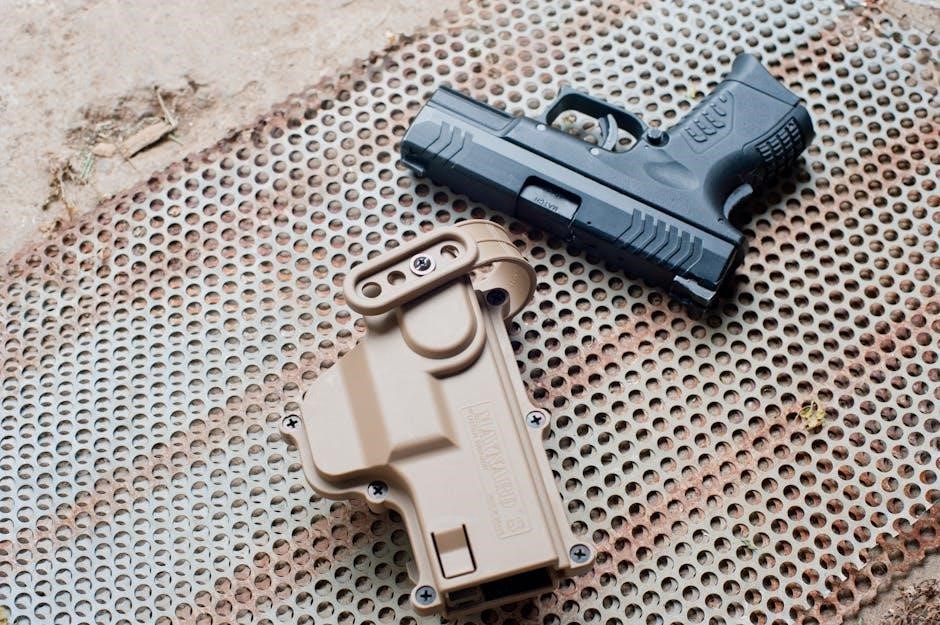
Without a valid pistol permit, residents are unable to proceed with the legal acquisition of pistols or revolvers. Furthermore, as of April 1, 2014, the purchase of ammunition also requires either a pistol permit, an eligibility certificate for a pistol or revolver, or an eligibility certificate for a long gun, underscoring the permit’s broad significance in firearm-related transactions. The state’s current carry law explicitly mandates that possession of a permit is a prerequisite for carrying a firearm. Therefore, the permit acts as the primary gateway, ensuring all legal firearm purchases and instances of concealed carry are conducted by vetted individuals who have met all statutory requirements, upholding public safety and regulatory compliance within Connecticut.

Mandatory Firearms Safety Course Completion
Completing a firearms safety course is a mandatory prerequisite for all Connecticut Pistol Permit applicants. This crucial step ensures individuals grasp essential firearm handling, storage, and safety protocols, reflecting the state’s emphasis on responsible gun ownership. The course is integral for public safety, preparing individuals for firearm possession responsibilities. Typically, the curriculum covers safe gun handling rules, various firearm types, ammunition characteristics, fundamental shooting techniques, and Connecticut’s specific firearm laws. Proof of successful completion, often an NRA Firearms course certificate, is a non-negotiable part of the application package. This documentation validates that the applicant has received necessary training as mandated by state regulations. Without this vital certificate, the pistol permit application process cannot proceed. It stands among the first and most critical requirements, guaranteeing new permit holders possess the requisite knowledge and skills to safely operate and manage a handgun, minimizing risks before paperwork is officially processed by authorities.
Requirement for Submitting Fingerprints
A crucial and mandatory element within the Connecticut Pistol Permit application process is the submission of fingerprints. This stringent requirement facilitates a comprehensive criminal background investigation for every applicant. Fingerprints are typically captured via a live scan system at your local police department or resident trooper’s office, ensuring digital accuracy and efficient processing. In some instances, traditional ink-and-roll methods might still be utilized, though less common now. These biometric identifiers are meticulously cross-referenced against state and national databases, including the Federal Bureau of Investigation (FBI), to uncover any past convictions or legal disqualifications that would prohibit firearm ownership under Connecticut General Statutes. The integrity and clarity of the submitted fingerprints are absolutely paramount; any smudges, incompleteness, or illegibility can result in significant delays, requiring re-submission and prolonging the overall application timeline; This rigorous scrutiny is a cornerstone of the state’s commitment to public safety, designed to ensure that only individuals who meet all legal criteria and possess a clear record are granted the privilege of a pistol permit. It is a foundational step, critical for validating an applicant’s suitability before progressing to subsequent stages like application notarization or fee payments, thereby reinforcing the thoroughness of the permit system.
Filing Local and State Applications
The Connecticut Pistol Permit application process necessitates filing both local and state applications. Your journey begins with the local submission, where applicants must complete the primary application for a State Pistol Permit. This paperwork, often referred to as Form DPS-799-C, is crucial and must be submitted directly to the town police department or resident trooper in the municipality where you reside. The purpose of this initial local filing is for your local law enforcement agency to conduct preliminary checks and process your temporary permit. Application forms can typically be obtained from your local police department, city or town hall. It is imperative to accurately fill out all required sections of Form DPS-799-C, as inaccuracies can lead to delays. For instance, some towns, like South Windsor, charge a local application fee, which is collected at this stage. Once the local authorities review and approve your temporary permit, the process then transitions to the state level, with the Department of Emergency Services and Public Protection (DESPP) handling the final issuance of your permanent state pistol permit. This two-tiered system ensures thorough vetting at both municipal and state levels, a foundational step for legal firearm acquisition and concealed carry in Connecticut.
Utilizing Form DPS-799-C for State Application
The core of the Connecticut Pistol Permit application is Form DPS-799-C, designated as the official State Pistol Permit application. This crucial document is mandatory for all new applicants, often completed alongside Form DPS-164-C, marking the initial step toward legally purchasing a firearm or obtaining concealed carry privileges. The form systematically collects all essential personal data required for comprehensive background checks and to confirm eligibility in accordance with Connecticut General Statutes. Precise and thorough completion of DPS-799-C is paramount; any errors or omissions can lead to significant processing delays. A vital procedural requirement is the notarization of the form. Applicants are required to sign DPS-799-C in the presence of an authorized official, typically when their identification photo is taken, thereby authenticating the information provided. After meticulous completion and notarization, this pivotal document is submitted to the local police department or resident trooper in the applicant’s town of residence. While it first facilitates the issuance of a temporary permit at the local level, DPS-799-C is instrumental for the subsequent state-level review, culminating in the issuance of the permanent State Pistol Permit by the Department of Emergency Services and Public Protection. Its accurate preparation is a non-negotiable step for all aspiring permit holders.

New Applicants Must Complete Form DPS-164-C
New applicants embarking on the Connecticut Pistol Permit journey are required to complete Form DPS-164-C as an essential part of their submission. This specific document complements the main State Pistol Permit application, Form DPS-799-C, ensuring a comprehensive package for review. DPS-164-C serves to gather additional vital information necessary for eligibility assessments, often encompassing declarations or acknowledgements mandated by state statutes; Its accurate completion is crucial for local authorities and the Department of Emergency Services and Public Protection (DESPP) to conduct thorough background checks and verify compliance with all legal prerequisites. A critical procedural step for DPS-164-C involves its signing. New applicants must affix their signature to this form in the presence of an official, typically at the time their identification photo is taken. This witnessed signing process authenticates the information provided and verifies the applicant’s identity, adding a layer of legal integrity to the application. Failure to properly complete and officially sign Form DPS-164-C can lead to significant processing delays or even the outright rejection of the temporary pistol permit application. It is a fundamental component for demonstrating adherence to Connecticut’s rigorous firearm ownership and concealed carry regulations.
Application Notarization and Official Signing
A pivotal step in the Connecticut Pistol Permit application process involves ensuring proper notarization and official signing of the required forms. Specifically, the State of Connecticut 60 Day Temporary Pistol Permit application, often referred to as Form DPS-799-C, mandates notarization. Applicants must complete this form and then have it officially notarized by a qualified notary public. This legal formality verifies the applicant’s identity and confirms that the statements made within the application are truthful to the best of their knowledge, under oath or affirmation. Notarization adds a layer of authenticity and legal weight to the submitted documentation, safeguarding the integrity of the permit process. Furthermore, for new applicants, both Form DPS-799-C and the accompanying Form DPS-164-C require an official signing. This signing typically occurs in the presence of an authorized official, often at the local police department or resident trooper’s office, coinciding with the time your identification photo is taken. The official witnesses the signature, confirming that the applicant personally signed the documents. This dual requirement—notarization for the primary application and official witnessing of signatures for key forms—underscores the seriousness and legal scrutiny associated with obtaining a pistol permit in Connecticut, making it an indispensable part of the submission.
Submission to Town Police or Resident Trooper
Upon completing and properly notarizing the necessary forms, the next critical step in the Connecticut Pistol Permit application process is the direct submission of your application package to the local authorities. This means delivering your completed State Pistol Permit application, specifically Form DPS-799-C, along with any other required documents, to the town police department or the resident trooper’s office in the municipality where you officially reside. This local submission initiates the processing of your temporary state pistol permit (TSPP). It is at this stage that the local law enforcement agency reviews your application, verifies the completeness of the documentation, and often collects additional local-specific requirements. For instance, some towns may require an appointment for submission, or they might have specific hours for accepting pistol permit applications. It’s imperative to confirm the exact procedures with your local police department or resident trooper’s office prior to your visit. They are the initial point of contact and play a crucial role in the preliminary vetting process before your application potentially moves on to the state level. Ensuring all items are prepared as specified by your local jurisdiction will help streamline this essential submission phase.
Online Application Availability Through Permitium
The Connecticut pistol permit application process features online options via platforms like Permitium. Many local departments, like Manchester, partner with Permitium, LLC, providing web-based law enforcement services. This allows applicants to digitally initiate temporary pistol permit applications, offering a convenient alternative.
Through the Permitium portal, individuals can complete forms, upload required supporting documents, submit identification photos, and process application fees online. This streamlines initial steps, enabling applicants to manage crucial parts of the process from home, prior to in-person requirements. The online system simplifies procedures, reducing paperwork and expediting preliminary reviews. Applicants must confirm if their local police department utilizes Permitium or a similar online submission system, as availability varies. This digital option enhances accessibility and efficiency for those seeking a Connecticut pistol permit.

Local Application Fee Examples, e.g., South Windsor $70.00
The process of obtaining a Connecticut pistol permit involves several financial obligations, one of which is a local application fee. This fee is distinct from the state-level charges and is paid directly to the town or city where the applicant resides. For instance, the town of South Windsor charges an application fee of $70.00 for residents seeking a temporary state pistol permit. This amount covers the administrative costs associated with processing the local portion of the application, including background checks and initial reviews by the local police department or resident trooper.
It is crucial for applicants to verify the exact local application fee with their specific town’s police department or first selectman’s office, as these fees can vary. While $70.00 is an example, other municipalities may have different amounts. This fee is typically submitted when turning in the completed local application paperwork. Ensuring the correct payment is made at the appropriate time is a vital step in avoiding delays in the overall permit acquisition process, highlighting the importance of thorough preparation and adherence to local guidelines for all prospective permit holders.
State Treasurer Fee of $62.00 Required
In addition to any local application fees, a mandatory state fee of $62.00 is a critical component of the Connecticut pistol permit process. This fee is required for both new applicants and for the renewal of existing permits. It must be submitted as a separate check or money order, made payable specifically to the “Treasurer, State of Connecticut.” This ensures that the funds are directed to the appropriate state authority responsible for the final issuance and administration of the pistol permits.
This state-level charge contributes to the overall costs incurred by the Department of Emergency Services and Public Protection (DESPP) for processing applications, conducting comprehensive background checks, and maintaining the statewide permit system. Applicants should prepare this payment carefully, ensuring the check or money order is correctly filled out to avoid any delays in their application or renewal. Including this payment with the state application forms, such as DPS-799-C, is a crucial step towards completing the legal requirements for obtaining or renewing a permit to carry pistols or revolvers in Connecticut, reflecting the dual-layered fee structure.
Permit Renewal In-Person and Mail-In Options
Connecticut pistol permit holders have flexible options when it comes to renewing their permits, accommodating both in-person and mail-in preferences. For residents wishing to renew their permit, the in-person method typically involves visiting the local police department or resident trooper’s office where the original application was processed. This allows for direct interaction and ensures all necessary documentation is correctly submitted on site.

Alternatively, both in-state and out-of-state permit renewals can be completed via mail. This method offers convenience, especially for those who may not be able to visit a physical location. When opting for mail-in renewal, it is crucial to follow all instructions meticulously. Applicants must include all required forms and documentation, along with the necessary payment for the state treasurer fee. A vital component of the mail-in process is the inclusion of a self-addressed, stamped #10 envelope, which ensures the efficient return of the renewed permit or any correspondence. Adhering to these options ensures a smooth and timely renewal of your Connecticut pistol permit.
Including a Self-Addressed, Stamped #10 Envelope for Renewals
When undertaking the process of renewing your Connecticut pistol permit, especially through the mail-in option, it is absolutely critical to include a self-addressed, stamped #10 envelope. This seemingly small detail plays a significant role in the efficient completion of your renewal. The primary purpose of this envelope is to facilitate the secure and timely return of your newly renewed state pistol permit or any other official correspondence from the licensing authority.
Whether you are renewing an in-state or an out-of-state permit via mail, this envelope ensures that once your application has been processed and approved, your permit is sent directly back to your designated address without delay. Failing to include a properly stamped and self-addressed envelope can lead to considerable processing delays, as the department will lack a pre-paid means to send your documents back to you. Therefore, always double-check that this essential item is part of your renewal submission to guarantee a smooth and prompt receipt of your updated permit.
Armed Security Officers Annual DPS-1030-C Submission
Armed Security Officers in Connecticut are subject to specific annual requirements to maintain their authorization to carry firearms while on duty. A crucial component of these ongoing obligations is the yearly submission of Form DPS-1030-C. This particular form serves as official documentation, providing proof of an armed security officer’s successful completion of a mandatory handgun qualification refresher course. This annual qualification ensures that officers remain proficient in their firearm handling skills and stay updated on relevant safety protocols and legal considerations, which is vital for public safety and the responsible exercise of their duties. The requirement for this annual submission underscores the state’s commitment to ensuring that individuals entrusted with carrying firearms in a professional capacity consistently meet established standards of competence. Without the timely and accurate submission of the DPS-1030-C, an armed security officer’s authorization to carry a handgun could be jeopardized, impacting their ability to perform their job legally and effectively. This strict protocol is in place to uphold the highest levels of accountability and preparedness among armed security personnel operating within Connecticut’s borders. Therefore, diligent adherence to this annual filing is paramount.
Appeal Notification to Board of Firearm Permit Examiners Within 90 Days
In the event that an individual’s application for a Connecticut pistol permit or an eligibility certificate is denied, or if an existing permit is revoked, the state provides a formal avenue for appeal. It is paramount for the affected party to understand the strict timeline for initiating this process. To begin an appeal, a written notification must be submitted to the Board of Firearm Permit Examiners. This crucial step must be completed within ninety (90) days of receiving the denial or revocation decision. Adhering to this 90-day deadline is non-negotiable, as missing it will likely result in the loss of the right to appeal. The Board of Firearm Permit Examiners is the designated authority for reviewing such cases. Once proper written notification is received, the Board will schedule a hearing where the applicant can present their case, challenging the initial decision. This hearing offers an opportunity to request reconsideration of the application or reinstatement of a revoked permit, ensuring a fair review of the circumstances by an impartial body. This structured appeal process is integral to the state’s regulatory framework for firearm permits.
Board of Firearm Permit Examiners Contact Information

Should you require direct communication with the Board of Firearm Permit Examiners, particularly concerning an appeal process for a denied pistol permit application or a revoked eligibility certificate, their official contact details are essential. This state-level board serves as a vital oversight body, ensuring fairness and adherence to Connecticut General Statutes in firearm permitting decisions. When submitting any formal documentation, such as the required written appeal notification within the critical ninety-day window following a denial or revocation, all correspondence must be sent to their specific physical address. The Board of Firearm Permit Examiners is precisely situated at 165 Capitol Avenue, Suite 1070, in the heart of Hartford, CT 06106. For immediate inquiries, to clarify procedural steps, or to discuss the status of a pending appeal or general questions regarding permit regulations, individuals can utilize their dedicated telephone lines. The primary contact numbers provided are (860) 256-2977 and an alternative line at (860) 256-2947; These official channels are crucial for effectively engaging with the Board and navigating the complexities of the firearm permit system within Connecticut, underscoring the importance of precise and timely communication for all applicants and permit holders.
Reviewing Connecticut General Statutes Online at www.cga.ct.gov
Before embarking on the intricate journey of obtaining a Connecticut pistol permit, prospective applicants are strongly advised to thoroughly review the pertinent state laws. This crucial preparatory step ensures a comprehensive understanding of all legal requirements and responsibilities associated with firearm ownership and concealed carry in Connecticut. The official repository for these legislative texts is readily accessible online through the Connecticut General Assembly’s website, located at www.cga.ct.gov. This digital platform provides an invaluable resource, offering direct access to the full text of the Connecticut General Statutes, including those specifically governing pistol permits and eligibility certificates.
Applicants should pay particular attention to sections such as C.G.S. 29-28 et seq., which outlines the fundamental framework for pistol permits and eligibility certificates, as well as C.G.S. 29-36 et seq., which delves into specific regulations concerning the sale and transfer of firearms. Additionally, understanding statutes like 53a-217 et seq. can illuminate prohibitions and disqualifying factors. Consulting www.cga.ct.gov directly empowers individuals to verify information, clarify any ambiguities, and ensure full compliance with state law, thereby streamlining the application process and minimizing potential delays or rejections. This proactive review is a foundational element for any responsible and informed permit applicant.