Diamond Earring Size Guide: A Comprehensive Overview (Updated 04/07/2026)
Navigating diamond earring sizes requires understanding carat weight‚ total weight (TCW)‚ and diameter measurements.
This guide provides a detailed overview‚ ensuring a perfect fit for style and face shape.
Today is 04/07/2026 11:11:12 ()
Understanding Diamond Earring Terminology
Decoding the language of diamond earrings begins with grasping key terms. Single Stud Carat refers to the weight of one earring‚ crucial for individual replacement or mismatched styles. However‚ Total Carat Weight (TCW) is more commonly used‚ representing the combined weight of the pair – a vital specification when purchasing a set.
Perhaps the most visually important measurement is Diameter (mm). This indicates the earring’s visible size on the earlobe. While carat weight signifies the diamond’s actual weight‚ diameter directly impacts how large the earring appears. A larger diameter creates a bolder look‚ even with a moderate carat weight.
It’s important to remember that carat weight and diameter aren’t directly proportional. Cut and shape significantly influence perceived size. Understanding these terms empowers informed decisions‚ ensuring your chosen earrings align with your desired aesthetic and comfort level. These definitions are foundational for navigating the world of diamond earrings.
Single Stud Carat Weight
Focusing on individual earrings‚ single stud carat weight represents the weight of just one diamond stud. This measurement is particularly relevant when replacing a lost earring or intentionally creating an asymmetrical ear look with differing sizes. It’s expressed in carats (ct)‚ with one carat equaling 200 milligrams.
When considering a pair‚ remember that the total carat weight (TCW) is simply the sum of the individual stud weights. However‚ knowing the single stud weight allows for precise comparisons between different earrings‚ even if they are sold individually. This is especially useful when building a collection or customizing a pair.
Understanding single stud carat weight provides granular control over your earring selection. It’s a crucial detail for those seeking a specific look or needing to match an existing earring. Always confirm the single stud weight when purchasing‚ ensuring clarity and avoiding misunderstandings about the overall size and value.
Total Carat Weight (TCW) Explained
Total Carat Weight (TCW) signifies the combined weight of both diamonds in a pair of earrings. It’s a convenient metric for quickly understanding the overall size and impact of the earrings‚ without needing to consider individual stud weights. TCW is prominently displayed by jewelers and is often the first specification customers consider.
For example‚ a pair of earrings with a TCW of 1.0 carat indicates that the combined weight of both diamonds is one carat – potentially two 0.5-carat studs‚ or one 0.7 and one 0.3 carat. While TCW provides a general sense of size‚ it doesn’t reveal the individual carat weight of each stud.
Understanding TCW is essential for budgeting and comparing different earring options. However‚ remember that carat weight isn’t the sole determinant of value or appearance; cut‚ clarity‚ and color also play significant roles. Always consider these “Four Cs” alongside TCW for a comprehensive evaluation.
Diameter Measurement in Millimeters (mm)
Diameter‚ measured in millimeters (mm)‚ represents the visible size of a diamond earring across its widest point. This measurement is arguably the most crucial factor when assessing how the earring will look on the earlobe‚ as it directly correlates to the perceived size. Unlike carat weight‚ which can be misleading due to varying cuts‚ diameter offers a concrete visual reference.
A larger diameter means a more prominent earring‚ while a smaller diameter provides a more subtle appearance. Jewelers typically list the diameter alongside carat weight to provide a complete picture of the earring’s dimensions. It’s important to note that the same carat weight can yield different diameters depending on the diamond’s shape and cut.
When selecting earrings‚ prioritize diameter if visual impact is your primary concern. Consider your face shape and personal style to determine the ideal diameter for a balanced and flattering look.
Factors Influencing Perceived Diamond Size
Perceived size isn’t solely about carat weight. Cut and shape dramatically impact how large a diamond appears. Certain shapes‚ like rectangular cuts‚ maximize visual impact.
Diamond Cut and Shape Impact
The cut of a diamond profoundly influences its brilliance and‚ consequently‚ its perceived size. A well-cut diamond reflects light optimally‚ appearing larger and more vibrant than a poorly cut stone of the same carat weight. This is because the cut determines how light enters‚ bounces around‚ and exits the diamond.
Shape also plays a crucial role. While carat weight measures the diamond’s actual size‚ different shapes distribute that weight differently. For instance‚ elongated shapes like marquise or pear cuts can appear larger than round cuts of equivalent carat weight. This is due to their larger surface area.
Certain shapes‚ like rectangular studs‚ are specifically noted for creating a larger-than-life shine‚ making them appear bigger than their actual carat weight suggests. Choosing a shape that complements your earlobe and face shape is essential for maximizing the perceived size and overall aesthetic appeal of your diamond earrings. Ultimately‚ a skillful cut and strategic shape selection can significantly enhance the visual impact of your diamonds.
The Role of Diamond Shape: Rectangular Studs
Rectangular diamond studs offer a unique aesthetic‚ distinguished by their elongated form and impactful presence. Unlike traditional round cuts‚ rectangular shapes maximize visual surface area‚ creating the illusion of greater size even with a modest carat weight. This makes them a popular choice for those seeking a bold‚ noticeable look without a significant investment.
Their distinct geometry draws the eye and adds a contemporary edge to any ensemble; Rectangular studs stand out‚ making a statement wherever they go‚ and are particularly effective in showcasing a diamond’s clarity and brilliance.
The shape’s inherent structure lends itself well to secure prong settings‚ ensuring durability and enhancing light performance. When considering rectangular studs‚ remember that their length and width contribute to the overall perceived size‚ offering a sophisticated alternative to classic round diamonds.
Diamond Earring Sizes by Age Group
Selecting appropriate diamond studs varies with age. Younger wearers benefit from smaller sizes‚ while adults can comfortably wear larger‚ more prominent diamonds for a sophisticated look.
Diamond Studs for Younger Wearers
Choosing diamond studs for younger individuals requires careful consideration of comfort‚ safety‚ and style. Generally‚ smaller carat weights are recommended‚ prioritizing a delicate and age-appropriate appearance. A 1/4 carat (0.25ct) per ear is often an excellent starting point‚ offering a subtle sparkle without being overwhelming.
For children or teens with their first ear piercings‚ prioritizing secure settings is crucial. Studs with screw-back posts are highly recommended to prevent loss and ensure the earrings stay firmly in place during activities. The diameter of a 0.25-carat diamond typically falls around 3.8 to 4.0 mm‚ providing a noticeable yet understated look.
As young adults mature‚ they may gradually prefer slightly larger sizes. However‚ it’s best to avoid overly large or heavy earrings that could cause discomfort or strain on the earlobes. Focusing on classic‚ timeless designs ensures the earrings remain versatile and suitable for various occasions. Remember‚ a well-chosen pair of smaller diamond studs can create a beautiful and elegant statement for younger wearers.
Appropriate Sizes for Adults
Selecting diamond stud sizes for adults offers a wider range of options‚ influenced by personal preference‚ face shape‚ and lifestyle. The most popular range falls between 0.50 and 1.00 carat total weight (TCW)‚ with many opting for 0.5 carats per ear. This size provides a noticeable sparkle and complements most features.
Individuals with smaller features or multiple ear piercings may prefer a more understated look‚ such as 1/2 carat per ear‚ to avoid an overly busy appearance. Conversely‚ those with larger features can confidently wear larger studs‚ up to 1.5 or 2 carats TCW‚ for a bolder statement.
Diamond shape also plays a role; rectangular studs can appear larger than round ones of the same carat weight. Ultimately‚ the “right” size is subjective. Consider the overall aesthetic you wish to achieve and choose a size that feels comfortable and proportionate to your individual style and facial structure. Prioritize quality and cut for maximum brilliance.
Visual Guide to Diamond Earring Sizes
Understanding size visually is key! Charts converting carat weight to diameter (mm) are essential. Most studs range from 0.25 to 2 carats total weight (TCW).
Carat Weight to Diameter Conversion Chart
Visualizing diamond size is greatly aided by a conversion chart linking carat weight to diameter in millimeters (mm). This chart provides a practical reference for understanding how different carat weights translate to visible size on the earlobe. Keep in mind that these are approximate values‚ as cut and shape also influence perceived size.
Here’s a general guideline:
- 0.25 Carat: Approximately 3.8 ⸺ 4.0 mm diameter
- 0.50 Carat: Approximately 5.1 ─ 5.3 mm diameter
- 0.75 Carat: Approximately 6.3 ─ 6.5 mm diameter
- 1.00 Carat: Approximately 6.5 ⸺ 6.8 mm diameter
- 1.50 Carats: Approximately 7.3 ⸺ 7.5 mm diameter
- 2.00 Carats: Approximately 8.1 ⸺ 8.3 mm diameter
It’s crucial to remember that these measurements are averages. Variations exist based on the specific diamond’s proportions and cut. This chart serves as a starting point for selecting earrings that complement your features and preferences. Aurika Gems provides a helpful visual reference for these conversions.
0.25 ─ 2 Carat Total Weight Range
The 0.25 to 2 carat total weight (TCW) range represents the most popular selection for diamond stud earrings. This range offers a balance between noticeable sparkle and affordability‚ making it ideal for a wide variety of wearers. Within this spectrum‚ options cater to diverse preferences and budgets.
Smaller sizes‚ like 0.25 to 0.50 carats‚ are excellent for everyday wear and subtle elegance. Moving towards 1.00 to 2.00 carats provides a more significant visual impact‚ suitable for special occasions or those desiring a bolder look. Clean Origin highlights this range as the majority of stud earring purchases.
Consider that certain diamond shapes‚ like rectangular studs‚ can appear larger than their carat weight suggests‚ maximizing visual impact. Ultimately‚ the best choice depends on individual style‚ face shape‚ and desired level of prominence.
Choosing the Right Size for Your Features
Selecting diamond studs that complement your features is key. Smaller features benefit from 1/2 carat studs‚ avoiding an overwhelmed look.
Balance is essential!
Diamond Studs for Small Features: 1/2 Carat Recommendation
For individuals with delicate or smaller features‚ a 1/2 carat per ear is often the ideal starting point when choosing diamond studs. This size provides a noticeable sparkle and elegance without appearing overwhelming or disproportionate to the earlobe and overall facial structure. It’s a classic and versatile choice that suits a wide range of styles.
Consideration should be given to existing piercings. If you already have multiple ear piercings‚ opting for larger studs can create a “busy” appearance‚ detracting from the overall aesthetic. A 1/2 carat size strikes a harmonious balance‚ complementing other jewelry without competing for attention.
This recommendation is particularly relevant for those new to diamond studs‚ allowing them to experience the beauty and brilliance of diamonds without feeling self-conscious or uncomfortable with a larger size. It’s a safe and stylish option that offers a sophisticated look for everyday wear.
Ultimately‚ personal preference plays a role‚ but a 1/2 carat provides a beautiful and proportionate look for smaller features.
Avoiding Overly Busy Earlobes
Maintaining a balanced aesthetic is crucial when selecting diamond earring sizes‚ especially for those with multiple ear piercings. Overly large or numerous studs can create a cluttered appearance‚ diminishing the impact of each individual piece. The goal is to enhance‚ not overwhelm‚ your natural features.
Consider the overall composition of your ear. If you have several piercings already‚ opting for smaller‚ more understated diamond studs can prevent a “busy” look. A delicate 1/4 or 1/2 carat size often complements existing piercings beautifully‚ adding a touch of sparkle without being overpowering.
Proportion is key. Larger studs may be suitable for a single piercing‚ but can appear disproportionate when combined with other earrings. Carefully assess the size and style of your existing piercings before adding new diamond studs.
A cohesive look is achieved through thoughtful selection and balance‚ ensuring your earlobes appear elegant and refined‚ not overcrowded.

Common Carat Weights and Approximate Dimensions
Popular diamond stud sizes generally fall within the 0.25 to 2 carat total weight (tw.) range.
Understanding these weights and their corresponding dimensions aids in informed selection.
Table of Carat Weights and Dimensions
Below is a comprehensive table illustrating common carat weights for diamond studs and their approximate dimensions in millimeters (mm). These measurements are crucial for visualizing the size and ensuring they complement your features. Please remember these are approximate values‚ as slight variations can occur based on the diamond’s cut and shape.
| Carat Weight (Single Stud) | Approximate Diameter (mm) |
|---|---|
| 0.25 Carat | 3.8 ─ 4.0 mm |
| 0.30 Carat | 4.2 ⸺ 4.4 mm |
| 0.50 Carat | 5.1 ⸺ 5.3 mm |
| 0.75 Carat | 6.3 ⸺ 6.5 mm |
| 1.00 Carat | 6.5 ⸺ 6.8 mm |
| 1.50 Carat | 7.3 ─ 7.7 mm |
| 2.00 Carat | 8.1 ⸺ 8.5 mm |
This table serves as a helpful guide‚ but it’s always recommended to view diamonds in person or utilize online tools that allow for virtual try-ons to get a true sense of scale. Consider the overall aesthetic you desire when selecting the perfect carat weight and dimensions.
Printable Diamond Earring Size Guide Templates
To assist in visualizing diamond earring sizes‚ printable templates are invaluable tools. These templates allow you to physically compare different carat weights and diameters against your earlobes‚ aiding in a more informed decision. While digital resources are helpful‚ a tangible representation can provide a clearer understanding of scale.
Currently‚ readily available templates often feature outlines representing common diamond sizes‚ from 0.25 carats to 2 carats or beyond. These templates are typically designed for printing on standard letter-size paper (8.5 x 11 inches).
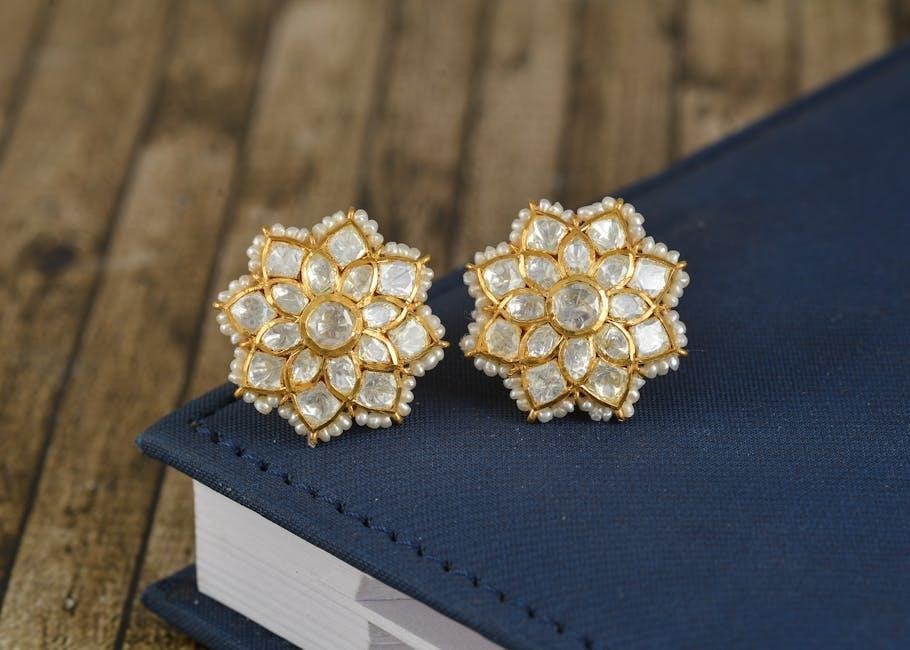
Etsy offers editable and printable diamond stud earring size guide template sets‚ often around 2000 x 2000 pixels‚ allowing for customization. Remember these are visual guides‚ and actual dimensions may vary.
Utilize these templates by printing them to scale and holding them up to your ear to assess the desired size. This hands-on approach ensures a comfortable and aesthetically pleasing fit.