Dyson DC50 Manual: A Comprehensive Guide
This manual provides detailed instructions for the Dyson DC50, covering assembly, operation, maintenance, and troubleshooting for all models – Animal, i, and Multi Floor․
The Dyson DC50 represents a significant advancement in bagless vacuum cleaner technology, offering powerful suction and innovative design features․ This upright corded vacuum is engineered for effective cleaning on various floor types, from hardwood to carpets․ Available in several models – including the Animal, i, and Multi Floor – the DC50 caters to diverse cleaning needs․

Understanding its features and proper operation is key to maximizing its performance and longevity․ This guide will walk you through each aspect of the DC50, from initial setup and daily use to essential maintenance procedures․ Accessing online resources, like those found on the Internet Archive, can supplement this manual with helpful videos and additional support․
Understanding DC50 Models
The Dyson DC50 series comprises several variations designed for specific cleaning requirements․ The DC50 Animal is optimized for pet owners, featuring enhanced tools to tackle pet hair and allergens effectively․ The DC50 i model often includes intelligent features and streamlined design․ Meanwhile, the DC50 Multi Floor excels at transitioning between different floor surfaces seamlessly․
Each model shares the core DC50 technology – powerful suction and Radial Root Cyclone technology – but differs in included accessories and specialized features․ Identifying your specific model is crucial when referencing this manual or seeking replacement parts․ Referencing the original packaging or the machine’s label will confirm your DC50 variant․
DC50 Animal
The DC50 Animal model is specifically engineered for households with pets, addressing the challenges of pet hair, dander, and allergens․ It typically includes a tangle-free turbine tool, designed to remove hair from upholstery and tight spaces without wrapping around the brush bar․
This model boasts enhanced suction power and filtration, capturing microscopic particles and allergens․ The DC50 Animal often features additional tools like a crevice tool and a combination tool for versatile cleaning․ Its robust design and specialized attachments make it ideal for homes needing deep cleaning and allergy relief due to pet presence․
DC50 i
The Dyson DC50 i model represents an intelligent cleaning solution, often featuring a self-adjusting cleaner head that automatically adapts to different floor types – from hard floors to carpets – maximizing suction power․ This model is designed for ease of use and efficient cleaning across various surfaces․
The ‘i’ designation typically indicates intelligent features, potentially including a digital motor V6 and Radial Root Cyclone technology for strong, consistent suction․ It’s built for convenience, offering a lightweight design and maneuverability․ The DC50 i aims to simplify cleaning routines with its automatic adjustments and powerful performance․
DC50 Multi Floor
The Dyson DC50 Multi Floor is engineered to excel on all floor types, seamlessly transitioning from hardwood to carpets without performance loss․ This model boasts a self-adjusting cleaner head, automatically increasing or decreasing brush bar height for optimal contact and cleaning effectiveness․
Featuring Radial Root Cyclone technology, it captures more dust and dirt than conventional vacuums․ The DC50 Multi Floor is designed for homes with a variety of flooring surfaces, offering powerful suction and versatile cleaning capabilities․ It’s a practical choice for households needing a single vacuum for all cleaning tasks․
Assembly and Setup
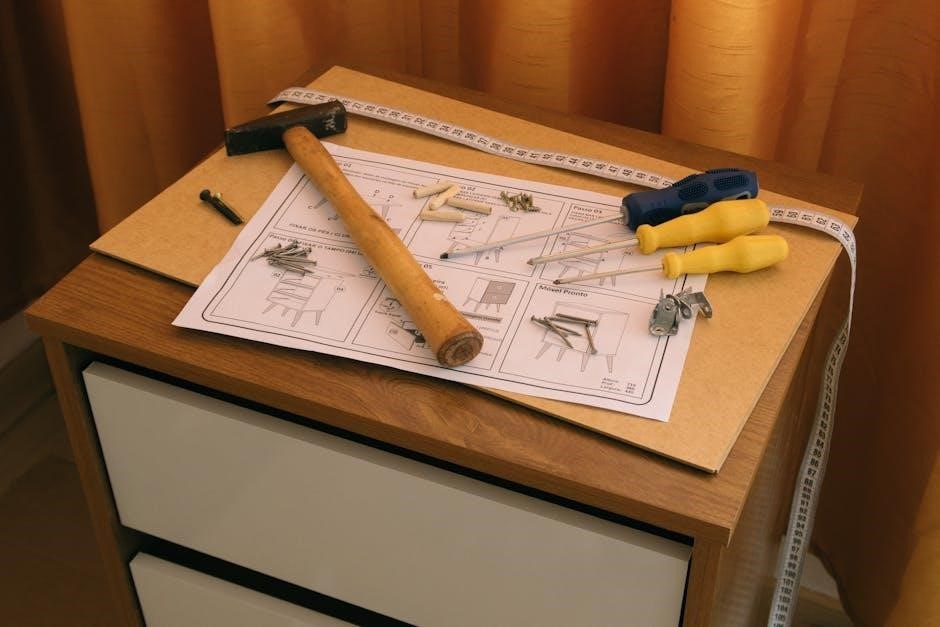
Proper assembly is crucial for optimal performance․ This section details unboxing, component verification, and step-by-step instructions for assembling your Dyson DC50 vacuum cleaner․
Unboxing and Component Check
Carefully unpack your Dyson DC50 and verify all components are present․ You should find the main body, wand, bin, floor tool, and any included attachments․ Inspect each part for any shipping damage before proceeding․ Refer to the included quick start guide or online resources at www․dyson․com/dc50gettingstarted for a visual inventory․
Ensure the dust bin is securely locked into place․ Check the hose connections for a tight fit․ Missing components or damage should be reported to Dyson customer support immediately․ Properly identifying all parts now will simplify the assembly process and ensure your vacuum operates efficiently from the start․
Assembling the Dyson DC50
Begin by firmly attaching the wand to the main body of the DC50, ensuring it ‘cliks’ securely into place – this is the ‘Clik Clik Clik’ mechanism․ Next, connect the chosen floor tool or attachment to the wand’s end, again listening for the confirming ‘clik’․ Verify all connections are snug and won’t detach during operation․
The dust bin should already be installed from the unboxing stage․ If not, securely lock it into the machine․ Avoid forcing any connections; proper alignment is key․ A short online video demonstrating the assembly process is available at www․dyson․com/dc50gettingstarted for visual guidance․
Cord Management and Power Connection
Before operation, fully unwind the power cord from its storage compartment․ Ensure the cord isn’t tangled or kinked, as this could damage the internal wiring․ Plug the Dyson DC50 into a grounded electrical outlet, verifying the voltage matches the appliance’s requirements․
Avoid using extension cords if possible, as they can reduce suction power․ If an extension cord is necessary, use a heavy-duty cord rated for the vacuum’s amperage․ Always disconnect the power cord from the outlet when performing maintenance or troubleshooting to prevent electrical shock․
Operating Instructions
To begin, extend the handle by pulling upwards until it locks, releasing the red button․ Power on, select the appropriate floor setting, and start cleaning!
Extending and Retracting the Handle
The Dyson DC50 features an adjustable handle designed for comfortable use and versatile reach․ To extend the handle, firmly grasp the handle and pull upwards; you’ll hear and feel a ‘clik’ as it locks into position․ The red handle release button will then visibly pop up, indicating a secure lock․
To retract the handle, locate and press the red release button․ While holding the button, gently push the handle downwards until it reaches your desired height․ Ensure the handle is fully locked before use to prevent accidental slippage during operation․ Regularly check the handle mechanism for smooth operation and address any stiffness promptly․
Powering On and Off
Operating the Dyson DC50 is straightforward․ Before powering on, ensure the dust bin is correctly fitted and the filters are clean for optimal performance․ To begin cleaning, first unwind the power cord completely․ Then, plug the machine securely into a suitable mains electricity supply․
The DC50 doesn’t have a traditional on/off switch․ It activates automatically when you tilt the machine forward for cleaning․ To stop, simply return the machine to an upright position․ Always disconnect from the power supply when not in use or during maintenance procedures․
Floor Type Selection
The Dyson DC50 is designed for versatile cleaning across various floor surfaces․ While it doesn’t feature a manual floor type selector switch, its self-adjusting cleaner head automatically adapts to different floorings – from hard floors to carpets․
The machine optimizes suction power based on the floor resistance․ For delicate hard floors, the brush bar’s power is reduced to prevent scratching․ On carpets, it increases for deeper cleaning․ Ensure the brush bar is free from obstructions for optimal performance on all surfaces․ Regular maintenance ensures seamless transitions between floor types․

Maintenance and Troubleshooting
Regular upkeep ensures peak performance․ This section details emptying the dust bin, filter cleaning/replacement, brush bar care, and solutions for common issues․
Emptying the Dust Bin
To maintain optimal suction, regularly empty the dust bin of your Dyson DC50․ Ensure the machine is unplugged before beginning․ Locate the dust bin release mechanism – typically a red button or lever – and press to detach it from the main body․
Hold the bin over a suitable waste receptacle and depress the release button on the underside of the bin․ This will open the bottom, allowing debris to fall out․ Avoid shaking the bin vigorously, as this can release dust back into the air․
Once emptied, securely reattach the bin to the Dyson DC50, ensuring it clicks firmly into place․ A properly sealed bin is crucial for effective filtration and suction power․
Filter Cleaning and Replacement
Maintaining clean filters is vital for your Dyson DC50’s performance․ Regularly check the filters – typically located within the dust bin assembly – for dust and debris․ Remove the filters and wash them in cold water only; avoid using detergents․

Allow the filters to dry completely for at least 24 hours before reinstalling them․ Damp filters can damage the motor․ Depending on usage, filters may need replacing approximately every year․
Signs of needing replacement include reduced suction, even after cleaning, or a musty odor․ Refer to the Dyson website for compatible filter replacements for your specific DC50 model․
Brush Bar Maintenance
Regular brush bar maintenance ensures optimal cleaning performance of your Dyson DC50․ Periodically inspect the brush bar for tangled hair, fibers, and debris․ Carefully remove these obstructions using scissors or a seam ripper, being cautious not to damage the bristles․
Check for wear and tear on the bristles; if significantly worn, the brush bar may need replacing․ Accessing the brush bar typically involves removing the soleplate․ Ensure the machine is unplugged before performing any maintenance․
A clean and functional brush bar is crucial for effective dirt and dust removal from carpets and hard floors․
Troubleshooting Common Issues
Addressing common problems with your Dyson DC50 is often straightforward․ Loss of suction can indicate a full dust bin, clogged filters, or a blockage in the airway – check and clear these․ Motor overheating usually signals an obstruction; switch off and allow to cool before investigating․
If the brush bar isn’t rotating, inspect for tangled debris or a blown fuse․ Ensure the machine is properly assembled after any maintenance․ Refer to the manual for detailed diagrams and safety precautions before attempting repairs․
Always unplug the machine before troubleshooting․
Loss of Suction
Reduced suction power in your Dyson DC50 typically points to a few key areas needing attention․ First, empty the dust bin – a full bin severely restricts airflow․ Next, check the filters; a clogged filter dramatically decreases suction․ Ensure they are clean and properly seated․
Inspect the hose, wand, and any attachments for blockages․ Disconnect and visually examine each component․ Finally, confirm the machine is correctly assembled, as improper assembly can also lead to suction loss․ Regular maintenance prevents this issue․
Motor Overheating
If your Dyson DC50’s motor overheats, the machine will likely shut off automatically as a safety precaution․ This usually indicates a blockage restricting airflow, forcing the motor to work harder․ Immediately unplug the machine and allow it to cool completely – at least 30 minutes – before attempting to restart․
Thoroughly check for blockages in the hose, wand, filters, and dust bin․ Ensure proper ventilation around the machine during operation․ Avoid using the DC50 for extended periods without a break․ Consistent maintenance prevents overheating and prolongs motor life․
Brush Bar Not Rotating
If the brush bar on your Dyson DC50 isn’t rotating, first unplug the machine immediately․ Check for obstructions like hair, string, or carpet fibers wrapped around the brush bar itself․ Carefully remove any tangled debris․ Inspect the brush bar motor for any visible damage, though repairs should be handled by a qualified technician․
Ensure the brush bar is correctly seated and locked into place․ A blockage in the airway can also prevent rotation; check the hose and wand․ Regular cleaning of the brush bar and surrounding areas is crucial for optimal performance and prevents this issue․
Advanced Features and Tips
Unlock the full potential of your Dyson DC50 with specialized attachments and suction control, maximizing cleaning efficiency on various surfaces․

Using Attachments
The Dyson DC50’s versatility is greatly enhanced by its range of attachments, designed for specific cleaning tasks․ Utilize the combination tool for crevices and upholstery, ensuring a thorough clean in hard-to-reach areas․ The crevice tool excels at detailed work, like edges and tight spaces․
For stubborn dirt on upholstery or delicate surfaces, employ the dusting brush․ Remember the motorized brush head is ideal for pet hair removal from furniture․ Proper attachment selection significantly boosts cleaning performance․ Always ensure a secure ‘Clik’ sound when attaching tools, confirming a tight connection for optimal suction․ Explore all options to tailor your cleaning experience!
Maximizing Suction Power
To achieve peak performance from your Dyson DC50, regular maintenance is crucial․ Ensure the dust bin is emptied frequently, as a full bin drastically reduces suction․ Check for blockages in the wand, hose, and brush bar – obstructions severely limit airflow․ Regularly clean the filters; a clogged filter restricts air passage, diminishing power․
Verify all connections are secure, listening for the distinctive ‘Clik’ sound․ Utilize appropriate floor head settings for different surfaces․ Avoid overloading the machine with excessive debris․ A well-maintained Dyson DC50 delivers consistently strong suction, ensuring a spotless clean․
Understanding the ‘Clik Clik Clik’ Mechanism
The ‘Clik Clik Clik’ sound is integral to the Dyson DC50’s design, confirming secure connections between components․ This audible feedback ensures the wand, hose, and attachments are firmly locked into place, maintaining optimal suction․ When attaching or detaching parts, listen for these distinct clicks – a visual check isn’t always sufficient․
If you don’t hear the clicks, the connection isn’t secure, leading to suction loss․ Re-attach the component, applying firm pressure until the ‘Clik Clik Clik’ is heard․ This simple mechanism guarantees a sealed system, maximizing cleaning efficiency and preventing air leakage;
Safety Information
Always follow safety precautions when using the Dyson DC50․ Ensure proper electrical guidelines are observed to prevent hazards and maintain safe operation․
Important Safety Precautions
Before using your Dyson DC50, carefully read all instructions․ This appliance is for indoor use only․ Do not use with wet surfaces or flammable liquids․ Keep hair, loose clothing, fingers, and all body parts away from moving parts․
Never operate the vacuum with a damaged cord or plug․ If the cord is damaged, it must be replaced by Dyson or a qualified technician․ Do not use extensions cords․ Always unplug before servicing or changing filters․
Do not use the vacuum to pick up hot ashes or smoking materials․ Misuse could result in electric shock or fire․ Supervise children to ensure they do not play with the appliance․ Use only Dyson recommended attachments․
Electrical Safety Guidelines
To avoid electrical hazards, always ensure the Dyson DC50 is properly grounded․ Never operate the vacuum with a damaged power cord or plug; immediate replacement is crucial․ Avoid using extension cords, as they can pose a safety risk․ Before unplugging, always turn the machine off․
Do not use the vacuum outdoors or in wet environments․ Keep the power cord away from heated surfaces and sharp edges․ If the vacuum malfunctions or exhibits signs of electrical issues, discontinue use immediately and contact Dyson support․
Regularly inspect the cord for damage․ Never attempt to repair the cord yourself; professional repair is essential․ Ensure the electrical outlet is compatible with the vacuum’s voltage requirements․